
 251-333-1700
Why Do Some People Need Teeth Extracted Before Getting Implants
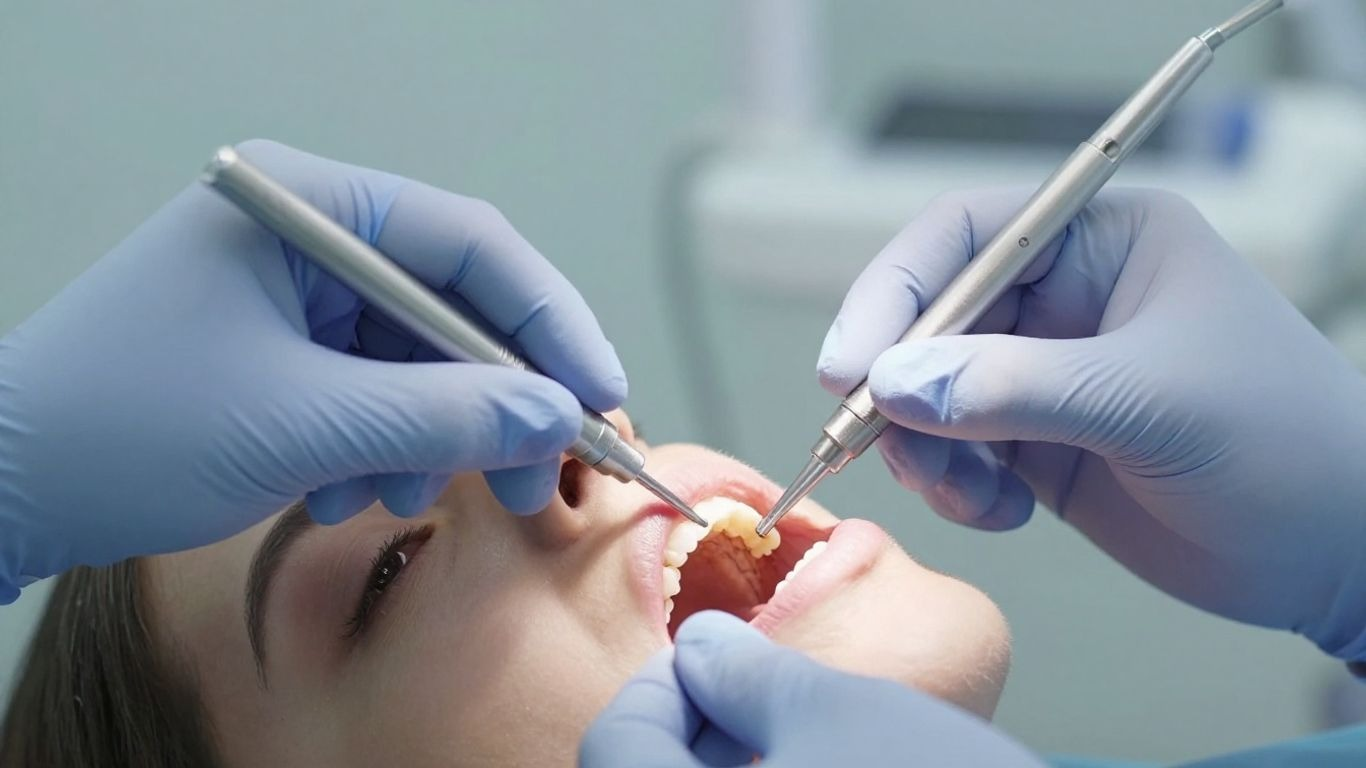
So, you're thinking about getting dental implants, which is awesome! They're a fantastic way to get a full, natural-looking smile back. But sometimes, before you can even get that shiny new implant in, your dentist might suggest pulling out an existing tooth. It sounds a bit backward, right? Why remove a tooth just to replace it? Well, there are some pretty solid reasons why this happens, and it's all about setting you up for the best possible outcome with your implant.
Is tooth extraction always required before an implant procedure?
Nope, not at all! Lots of people can get implants without needing any extractions. If your tooth is healthy, firmly in place, and has good bone support around it, your dentist will likely try to work with it. But when a tooth is just too far gone, keeping it can actually cause more problems down the line, especially for your implant. Think of it like building a house – you need a solid foundation, and sometimes that means clearing away old, unstable structures first.
Here are some common situations where extraction becomes the smart move:
- Severe Decay or Damage: If a tooth has cavities that are too big to fix with a filling or crown, or if it's cracked or broken badly, especially near the root, it might be unsalvageable. Trying to put an implant next to a tooth that's basically crumbling isn't a good plan.
- Advanced Gum Disease: When gum disease gets really bad, it eats away at the bone that holds your teeth. If that bone loss is significant, the tooth becomes loose and can't support an implant. Removing it stops the disease and gives you a chance to rebuild that bone.
- Persistent Infections: Sometimes, even after a root canal, an infection can linger. A tooth that's a constant source of infection can spread problems to your jawbone, which is exactly where your implant needs to go. Getting rid of the infected tooth clears the way for healing.
- Poor Tooth Position: Believe it or not, a tooth's position can sometimes get in the way of placing an implant perfectly. If a tooth has shifted or is tilted into a space, it might need to be removed to make room for the implant to sit correctly and function naturally.
It's not about giving up on a tooth; it's about making sure the space where your implant will go is healthy and ready for its new job. Sometimes, the best way to help your future implant is to remove the tooth that's causing trouble now.
So, while it might seem like an extra step, tooth extraction before an implant is often a necessary part of creating a stable, long-lasting solution for your smile.
Tooth Extraction Before Dental Implant — Main Reasons Explained
So, you're thinking about dental implants, which is awesome! But sometimes, before you can get that shiny new implant, your dentist might suggest pulling out an existing tooth. It sounds a bit backward, right? Why remove a tooth just to replace it? Well, there are some pretty solid tooth extraction before dental implant reasons why this is often the best path forward for a long-lasting smile.
What conditions make extraction necessary before implant placement?
Not every tooth can be saved, and sometimes, removing it is the only way to set the stage for a successful implant. Think of it like clearing the ground before building a strong foundation. If a tooth is too far gone, keeping it can actually cause more problems down the line, messing with the bone you need for your implant.
Here are the main culprits that usually mean extraction is on the table:
- Severe Decay or Damage: If a cavity is so big it's basically eaten away most of the tooth, or if a tooth has a major crack or break (especially if it goes down to the root), there's often not enough healthy tooth left to support anything, let alone an implant later.
- Persistent Infection: Sometimes, a tooth has an infection, like an abscess, that just won't clear up, even with antibiotics. This infection can spread to the jawbone, which is a big no-no for implant success. Getting rid of the infected tooth stops the damage and lets the area start healing.
- Advanced Gum Disease (Periodontitis): When gum disease gets really bad, it can destroy the bone that holds your teeth in place. If this bone loss is significant around a particular tooth, it might be too weak to support an implant, and removing it is the first step.
- Impacted or Poorly Positioned Teeth: Sometimes, a tooth just didn't come in right. Maybe it's stuck under the gums (impacted), or it's tilted so much that it's blocking the perfect spot for an implant. In these cases, removal makes way for proper implant placement.
Keeping a tooth that's beyond repair can actually compromise the bone needed for a successful implant. It's better to remove the problem tooth and create a clean slate for your new implant to integrate properly with the jawbone.
Your dentist will look at X-rays and do a thorough exam to figure out if extraction is the right move. It's all about making sure your implant has the best possible chance to last for years to come.
Do You Need Extraction Before Implant Surgery — How to Know
So, you're thinking about getting a dental implant, which is awesome! But sometimes, before you can get that shiny new tooth, you might need to say goodbye to an old one. The big question is, do you need extraction before implant surgery? Your dentist is the one who can really tell you for sure, but there are some pretty clear signs that point towards needing an extraction.
Think of it like building a house. You wouldn't build on shaky ground or over a sinkhole, right? Your jawbone is the foundation for your implant, and if there's a problem tooth messing things up, it's gotta go.
How Does Your Dentist Decide If Extraction Is Needed First?
Your dentist isn't just guessing here; they've got a whole process to figure this out. It usually starts with a good old-fashioned look inside your mouth and some X-rays.
Here's what they're looking for:
- The Tooth's Condition: Is it cracked down to the root? Is there a massive cavity that can't be fixed? Is there a persistent infection that just won't quit, even with antibiotics? If a tooth is too far gone, saving it is often impossible and can actually cause more problems down the line.
- Bone Health: This is super important for implants. If the tooth you have is causing bone loss around it due to infection or gum disease, that bone might not be strong enough to support an implant. Sometimes, they can do bone grafting, but if the damage is too severe, the tooth needs to go first.
- Gum Health: Serious gum disease around a tooth can affect the whole area. If that infection is spreading or making the bone weak, the tooth might need to be removed to give your gums and bone a chance to heal before an implant can even be considered.
- Tooth Position: Believe it or not, sometimes a tooth is just in the wrong spot. If it's tilted into a gap from another missing tooth, or if it's so crowded it's pushing other teeth around, it might be in the way of where the implant needs to go for it to work right and look good.
Your dentist will take a close look at your specific situation. They'll consider how bad the damage is, how much healthy bone you have, and if there's any active infection. It's all about setting up the best possible foundation for your new implant so it lasts for years.
Basically, if keeping the tooth is going to mess with the implant's success or your overall oral health, it's probably coming out. Your dentist will go over all the X-rays and findings with you, so you'll know exactly why they're recommending extraction.
Tooth Removal Before Implant Placement — What to Expect
So, you're looking into getting a dental implant, but your dentist mentioned you might need to get a tooth pulled first. It sounds like a big step, and honestly, it can be. But understanding why tooth removal before implant placement is sometimes necessary is half the battle. It's all about setting up the best possible foundation for your new tooth.
How long do you wait after extraction before getting an implant?
This is a big question, and the answer isn't a simple "X number of weeks." It really depends on what's going on in your mouth. Sometimes, if everything looks good and the bone is healthy, your dentist might be able to place the implant right then and there, during the same appointment as the extraction. This is called immediate implant placement. It's pretty cool because it can speed things up.
However, more often than not, there's a waiting period. This is usually because your mouth needs time to heal after the tooth comes out. The socket where the tooth was needs to close up, and the bone needs to start rebuilding itself. This healing process can take anywhere from 3 to 6 months, sometimes even longer if bone grafting was needed.
Here's a general idea of what influences the timing:
- Bone Health: If you have good bone density and quality, you might be able to get the implant sooner. If there's been bone loss, you might need grafting, which adds healing time.
- Infection: If the tooth being removed had an infection, your dentist will want to make sure that infection is completely gone and the area is healed before putting in an implant. Active infection is a no-go for implants.
- Healing Process: Your body's natural healing speed plays a role. Some people just heal faster than others.
- Type of Extraction: A simple extraction might heal differently than a more complex surgical one.
Your dentist will keep a close eye on things with follow-up appointments and X-rays to know exactly when your mouth is ready for the implant.
The goal is always to create the healthiest environment for your implant to succeed long-term. Rushing the process can lead to complications down the road, so patience is key.
Think of it like building a house. You wouldn't pour the foundation on shaky ground, right? Extracting a damaged tooth and letting the area heal is like making sure the ground is solid before you build.
What to expect after the extraction
After your tooth is out, the first few days are all about healing and preventing problems. You'll likely be given specific instructions, but generally, you'll want to:
- Manage Bleeding: Bite down gently on the gauze pad provided. Change it as needed, but try not to disturb the blood clot that forms in the socket. This clot is super important for healing.
- Control Swelling: Use ice packs on the outside of your cheek near the extraction site. Apply them for about 15-20 minutes at a time, with breaks in between.
- Eat Soft Foods: Stick to things like soup, yogurt, mashed potatoes, and smoothies. Avoid anything hard, crunchy, or very hot for the first few days.
- Keep it Clean (Gently): Avoid rinsing your mouth vigorously, using straws, or spitting forcefully for the first 24 hours. After that, gentle salt water rinses can help keep the area clean.
- Pain Management: Over-the-counter pain relievers usually do the trick, but your dentist might prescribe something stronger if needed.
It's really important to follow your dentist's specific aftercare instructions to avoid complications like dry socket, which is pretty uncomfortable. Once the initial healing is done, you'll start to feel more normal, and your dentist will monitor the site as it prepares for the implant.
Extraction and Implant Same Procedure or Separate — Which Is Better?
So, you're wondering if you can get that old tooth yanked and a shiny new implant put in all in one go, or if it's a two-part deal. It's a great question, and the answer really depends on your specific situation. Sometimes, doing the extraction and implant same procedure or separate can be combined, but it's not always the best route for everyone.
Doing it all at once, meaning the implant goes in right after the tooth is removed, can be super convenient. It cuts down on your overall treatment time, which is a big plus. Think about it: fewer appointments, less waiting around. This approach works best when the tooth being removed isn't too badly damaged, there's no serious infection, and you've got a good amount of healthy bone already there to support the implant right away. It’s like hitting two birds with one stone.
However, often it's a two-step process. Your dentist might recommend removing the tooth first and then waiting a bit before placing the implant. This waiting period is important because your jawbone needs time to heal after the extraction. During this healing phase, your body starts to rebuild the bone where the tooth used to be. If there was an infection or significant bone loss, waiting is usually the safer bet to make sure the implant has a solid foundation.
Here’s a quick rundown of why a separate procedure might be better:
- Healing Time: Your jawbone needs time to recover and strengthen after extraction. This can take anywhere from a few weeks to a few months.
- Bone Health: If you've lost bone due to gum disease or the old tooth problem, you might need bone grafting. This usually happens after extraction but before implant placement.
- Infection Control: If the tooth being removed is infected, your dentist will want to clear that up completely before putting in an implant.
The decision between doing it all at once or in stages really comes down to what your mouth needs. Your dentist will look at X-rays, check the health of your gums and bone, and consider the condition of the tooth being removed to figure out the best plan for a successful implant that lasts.
Ultimately, your dentist will guide you. They’ll explain the pros and cons of each approach based on your unique dental health. The goal is always to make sure your new implant is stable, healthy, and looks great for years to come.
So, What's the Takeaway?
Alright, so we've talked about why sometimes pulling a tooth is the first step before getting a shiny new implant. It's not ideal, nobody wants to have a tooth removed, but sometimes it's just the smartest move for your mouth. Whether it's a nasty infection, a tooth that's just too broken to fix, or even just bad positioning, getting rid of the problem tooth makes way for a successful implant. It gives your dentist a clean slate to work with, ensuring that new implant has the best chance to last for years. It’s all about setting yourself up for a healthy, strong smile down the road, even if it means a little extra work upfront.
Frequently Asked Questions
Do I always need to have a tooth pulled before getting a dental implant?
Not always! Dentists try their best to save your natural teeth. But if a tooth is too damaged from decay, infection, or injury, pulling it might be the best first step to make sure your implant has a strong, healthy base to last for many years.
What makes a tooth need to be pulled before an implant?
Several things can make extraction necessary. If a tooth has really bad cavities that can't be fixed with a filling or crown, or if it's broken badly, especially near the root, it often needs to come out. Also, serious gum disease that has weakened the bone holding the tooth can mean extraction is the only way to prepare for an implant.
How does my dentist know if my tooth needs to be removed?
Your dentist will look closely at your mouth and take X-rays. They check how much decay or damage there is, look for signs of infection, and assess the health of the bone supporting the tooth. If the tooth can't be saved or might cause problems for the implant, they'll recommend pulling it.
How long do I wait after a tooth is pulled before getting an implant?
It depends! If the area is healthy after the tooth is removed, sometimes the implant can be placed right away. But often, your dentist will want to wait a few months, usually 3 to 6 months, to let the bone and gums heal properly. This gives you the best chance for the implant to be successful.
Can I get an implant years after a tooth was removed?
Yes, you can! The main thing to consider is how much your jawbone has changed since the tooth was lost. If there isn't enough bone left, you might need a bone graft to build it up first. This is a common procedure that helps create a solid foundation for the implant.
Is it better to pull the tooth and get the implant at the same time?
Sometimes, yes! Placing the implant right after extraction can save time and potentially reduce costs. However, your dentist will decide what's best based on the health of your jawbone and gums. If there's an infection or significant bone loss, waiting for healing might be the safer option for a successful outcome.
Blog Post Author

Contributed by DentalROI
DentalROI provides relevant dental content to help providers educate patients. The statements, services, and products referenced in this article have not been evaluated by the Food and Drug Administration, and they are not intended as a substitute for professional medical advice, diagnosis, or treatment. Always seek the advice of your dental provider with any questions or issues you may have. Specific recommendations may vary in different circumstances, so individual consultation is important.