
 251-333-1700
Are Dental Implants Painful? What You Need to Know
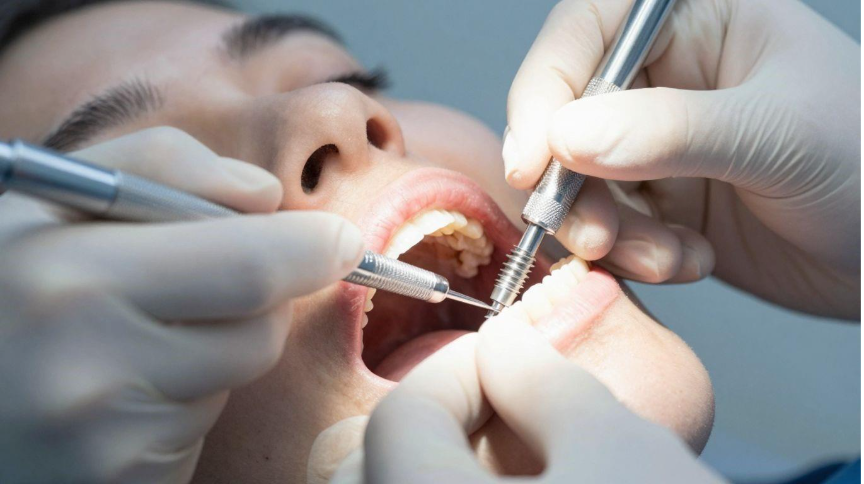
Many people wonder, "Are dental implants painful?" It's a common question, and understandably so. Replacing missing teeth with implants involves surgery, after all. This article aims to clear up any confusion about the pain associated with dental implants. We'll look at what the procedure really involves, what patients typically feel, and how dentists make sure you're comfortable every step of the way. You'll learn that while some discomfort is normal, dental implants are often less painful than people imagine.
Key Takeaways
- During the dental implant surgery itself, patients generally do not feel pain because local anesthesia or sedation is used to numb the area. It's often compared to the feeling of getting a filling.
- After the surgery, some mild to moderate discomfort, swelling, or bruising is expected for a few days. This is usually manageable with over-the-counter pain relievers.
- Factors like the number of implants placed, whether bone grafting is needed, and individual pain tolerance can influence how much discomfort a person experiences post-surgery.
- Compared to other tooth replacement options or even tooth extractions, many patients find the recovery from dental implants to be less painful than anticipated.
- While post-operative soreness is normal, severe or persistent pain is not typical and could indicate a complication, so contact with the dentist is important if this occurs.
What Dental Implants Really Involve
Getting dental implants might sound like a big deal, and in many ways, it is – it's a significant step towards restoring your smile and function. But what exactly does the process entail? It's not just about screwing in a fake tooth. The journey typically starts with a thorough check-up to make sure implants are the right fit for you. This involves looking at your jawbone and overall oral health.
Then comes the surgery itself. This is where the implant post, usually made of titanium, is placed directly into your jawbone. Think of it as a new root for your missing tooth. To make sure you're comfortable, anesthesia is used, so you shouldn't feel any pain during this part. After the post is in place, there's a healing period. This is super important because your jawbone needs to fuse with the implant. This process, called osseointegration, can take a few months. It's what gives the implant its stability.
Once that fusion is solid, a small connector piece called an abutment is attached to the implant post. Finally, your custom-made artificial tooth, or crown, is secured onto the abutment. This whole process is designed to create a strong, natural-looking, and long-lasting replacement for your missing tooth.
Here's a general breakdown of the steps:
- Initial Consultation: Assessing your suitability and planning the treatment.
- Implant Placement Surgery: Surgically inserting the titanium post into the jawbone.
- Osseointegration: The healing phase where the bone fuses with the implant.
- Abutment Placement: Attaching the connector piece.
- Final Restoration: Placing the custom crown, bridge, or denture.
It's natural to wonder, "are dental implants painful?" or "how painful are dental implants?" The surgery itself is done with anesthesia, so pain during the procedure isn't the main concern. The real questions often revolve around the recovery and whether "are dental implants very painful" or "are full mouth dental implants painful." While some discomfort is expected after the anesthesia wears off, it's usually manageable. Understanding the steps involved helps demystify the process and address concerns about how painful are full mouth dental implants.
The goal of dental implant surgery is to provide a stable and permanent solution for missing teeth. While it is a surgical procedure, modern techniques and anesthesia aim to make the experience as comfortable as possible, both during and after the operation. The long-term benefits often outweigh the temporary recovery period.
Managing post-operative discomfort is key, and there are ways to help with this. For instance, using cold packs can help reduce swelling and aching after the procedure. Managing pain after surgery is a common topic, and patients are often given clear instructions on how to care for themselves during the healing phase.
Pain vs. Pressure: What Patients Typically Feel During Implant Placement
Many people wonder if dental implants hurt. It's a common question, and the short answer is that during the actual placement of the implant, you shouldn't feel any pain. This is because dentists use local anesthesia, much like what you'd get for a filling, to numb the area completely. So, while you're awake, you won't feel any sharp sensations. Some patients describe feeling a bit of pressure, but it's generally not uncomfortable.
After the anesthesia wears off, some soreness or discomfort is expected. This is normal for any surgical procedure. Think of it like this: the body is healing from a minor intervention. The level of discomfort can vary quite a bit from person to person. Factors like how many implants are placed, whether bone grafting was needed, and your own pain tolerance all play a role.
Here's a general idea of what to expect post-surgery:
- Mild to moderate soreness: This is the most common feeling. It usually starts within a few hours after the procedure as the anesthesia fades.
- Swelling and bruising: These are also typical and tend to be worse in the first couple of days.
- Sensitivity: The implant site might feel a bit tender to the touch.
Most patients report that the post-operative discomfort is less than they anticipated. It's often compared to the feeling after a tooth extraction, with many finding the implant recovery to be easier.
It's important to remember that persistent or severe pain with dental implants after surgery is not typical. While minor discomfort is normal, any sharp, escalating pain or signs of infection should be reported to your dental professional right away.
Managing this post-procedure discomfort is usually straightforward. Dentists typically recommend over-the-counter pain relievers, and sometimes prescription medication if needed. Following post-operative care instructions, like using cold compresses and eating soft foods, also helps a lot. So, while there might be some discomfort after the procedure, the actual implant placement itself is designed to be pain-free.
Comfort Measures Used During Dental Implant Surgery
When you're considering dental implants, one of the first things on your mind is likely comfort. It's completely understandable to wonder about any potential discomfort during the procedure itself. The good news is that modern dentistry has a whole toolkit designed to keep you comfortable.
The primary goal is to ensure you feel little to no pain during the surgery. This is achieved through effective anesthesia. Most patients report that the sensation during implant placement is comparable to having a tooth filled. Local anesthesia is standard, numbing the specific area where the implant will be placed. For individuals who experience anxiety or are undergoing more extensive procedures, there are additional options available.
Here are some of the ways your comfort is prioritized:
- Local Anesthesia: This is the most common method, effectively blocking any feeling in the surgical site. You'll be awake but won't feel pain.
- Sedation Options: For those who prefer it, or for complex cases, sedation can be used. This can range from taking a pill before the appointment (oral sedation) to receiving medication through an IV (IV sedation). Sedation helps you relax and can make the time pass quickly, often with little to no memory of the procedure.
- Careful Surgical Technique: Experienced dental professionals use precise techniques and advanced imaging to plan the surgery meticulously. This helps minimize any disruption and potential for discomfort.
- Monitoring: Throughout the procedure, your comfort is continuously monitored. If you feel any sensation or discomfort, the dental team can adjust the anesthesia or sedation as needed.
After the surgery, some mild soreness or swelling is normal, much like after any dental procedure. However, the focus during the actual placement of the implant is on making it as pain-free as possible. Your dental team will provide clear instructions on managing any post-operative feelings, usually involving simple pain relievers and cold compresses.
How Dental Implants Compare to Other Tooth Replacement Options
When you're missing a tooth, there are a few ways to go about fixing it. Dentures and bridges have been around for a while, and they can work, but dental implants are often seen as a more modern and stable solution. Let's break down how they stack up.
Traditional dentures, whether they're full or partial, can sometimes feel a bit loose. They rest on your gums or are held in place by clasps. This can lead to some movement when you're eating or talking, which isn't always comfortable. Plus, they don't prevent the bone loss that happens when a tooth is missing, which can change the fit over time.
Dental bridges are another option. They use the teeth next to the gap as anchors for a false tooth. This means those healthy neighboring teeth need to be reshaped, which can be a downside. While bridges are more stable than dentures, they don't address the bone loss issue under the missing tooth.
Dental implants, on the other hand, are different. They're surgically placed into the jawbone, acting like a new tooth root. This is a big deal because it means they don't rely on other teeth for support and they help keep the jawbone healthy. This integration with your bone is what gives implants their incredible stability and natural feel.
Long-Term Comfort and Quality of Life Benefits
Once the initial healing phase is complete, dental implants become a part of you, much like your natural teeth. This means you can generally eat, speak, and smile without the worry or discomfort that can come with other tooth replacement options.
Wrapping Up: Your Comfort is Key
So, when it comes to dental implants, the big question about pain usually comes down to this: most people find the actual surgery isn't painful at all, thanks to numbing medicine. Afterwards, there might be some soreness, kind of like after a tooth extraction, but it's generally manageable with over-the-counter pain relievers and a little bit of care at home.
Frequently Asked Questions
Will I feel pain during dental implant surgery?
No, you shouldn't feel any pain during the actual surgery. Dentists use special medications called local anesthesia to completely numb the area where the implant will be placed. This is similar to how your mouth feels numb at the dentist for a filling. So, while you'll be awake, you won't feel any pain.
What kind of discomfort can I expect after the surgery?
After the anesthesia wears off, some mild discomfort or soreness is normal, much like after having a tooth pulled. Many people say it's less painful than they expected. You might experience some swelling or bruising, but this usually gets better within a few days. Over-the-counter pain relievers can help manage this.
How long does the discomfort usually last?
The most uncomfortable part is typically in the first couple of days after the surgery. For most people, this soreness fades away within a week to two weeks. Following your dentist's aftercare instructions, like resting and taking prescribed medication, helps a lot with healing and feeling better.
Is getting a dental implant more painful than getting a filling or a tooth extraction?
Most patients report that the discomfort after a dental implant is often less than they anticipate, and sometimes even less than a tooth extraction. While a filling is usually a quick procedure with minimal after-effects, implant surgery is a bit more involved. However, with modern anesthesia and pain management, the overall experience is quite manageable.
What factors can influence how much pain I feel?
Everyone's body reacts a bit differently, so pain tolerance plays a role. Also, if the surgery is more complex, like needing a bone graft, there might be a little more healing discomfort. Your overall health and whether you smoke can also affect how your body heals and how comfortable you feel.
When should I contact my dentist about pain after the implant procedure?
While some soreness is normal, you should contact your dentist if you experience severe pain that doesn't get better with medication, if the pain suddenly gets much worse, or if you notice signs of infection like increased swelling, redness, or a bad taste in your mouth. These could be signs that something needs attention.
Blog Post Author

Contributed by DentalROI
DentalROI provides relevant dental content to help providers educate patients. The statements, services, and products referenced in this article have not been evaluated by the Food and Drug Administration, and they are not intended as a substitute for professional medical advice, diagnosis, or treatment. Always seek the advice of your dental provider with any questions or issues you may have. Specific recommendations may vary in different circumstances, so individual consultation is important.