
 251-333-1700
Bone Grafting for Dental Implants
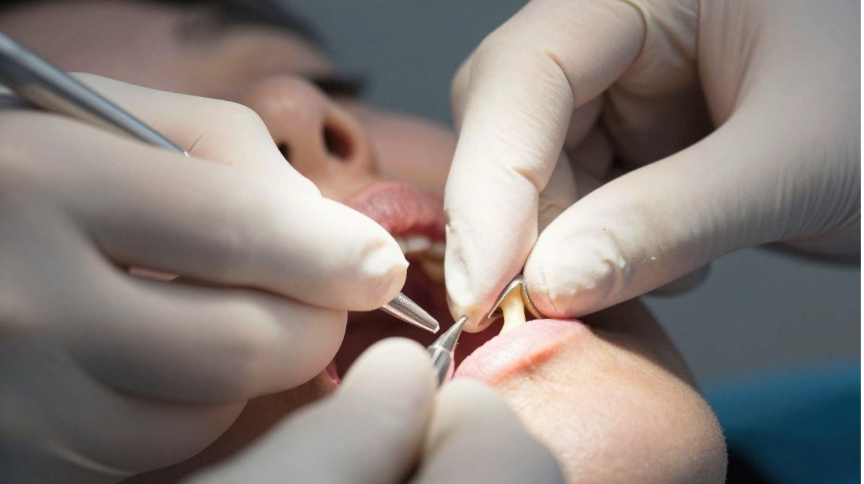
Missing teeth can really throw a wrench in your daily life, affecting everything from how you eat to how you talk. Dental implants are a great solution, but sometimes, you need a little extra help to make sure they fit right. That's where bone grafting comes in. It's a surgical procedure that helps rebuild your jawbone so that dental implants have a solid foundation. This blog post will walk you through what bone grafting for dental implants involves, why it's sometimes necessary, and what you can expect.
Key Takeaways
- Bone grafting for dental implants is a surgical process to add volume and density to the jawbone, creating a stable base for implant placement.
- Various materials can be used for bone grafts, including your own bone, donor bone, or synthetic substitutes, with the best type depending on individual needs.
- Bone grafting is often recommended when a patient has experienced bone loss due to tooth loss, gum disease, or trauma, which would otherwise prevent successful implant surgery.
- The procedure involves placing graft material into the deficient area of the jawbone, followed by a healing period where the body integrates the graft and forms new bone.
- Recovery typically involves some discomfort and swelling managed with medication, and the jawbone needs several months to heal sufficiently to support a dental implant.
What Is Bone Grafting for Dental Implants?
When considering dental implants, you might hear about bone grafting. Essentially, it's a surgical procedure used to add bone or bone substitutes to an area of your jaw where there isn't enough bone to properly support a dental implant. Think of it as building a stronger foundation. Dental implants need a solid base of healthy jawbone to fuse with, a process called osseointegration, which is key to their stability and long-term success.
If your jawbone has deteriorated due to tooth loss, gum disease, injury, or other reasons, it might not be thick or dense enough for an implant. In these cases, a bone graft is performed. The graft material helps to regenerate and augment the existing bone, creating the necessary volume and strength.
Types of Bone Grafting Materials Used in Implant Care
- Autografts: Bone taken from another part of your own body, often the chin or back of the jaw.
- Allografts: Bone from a human donor.
- Xenografts: Bone from an animal source, like a cow.
- Alloplasts: Synthetic bone graft materials.
Common Grafting Techniques
- Socket Preservation: Done right after a tooth extraction to preserve the bone for future implant placement.
- Block Bone Grafts: Small blocks of bone taken from another area of the body to rebuild larger bone deficits.
- Sinus Lifts: Adds bone material to the sinus floor in the upper back jaw to create space for an implant.
When Bone Grafting Is Recommended Before Dental Implants
- Tooth Loss: Jawbone can deteriorate after a tooth is missing.
- Gum Disease: Advanced periodontal disease can destroy supporting bone.
- Trauma or Injury: Accidents can cause bone loss in the jaw.
- Congenital Defects: Some people are born with less jawbone density.
- Previous Dental Procedures: Past surgeries or extractions may affect bone structure.
How the Bone Grafting Procedure Works
- Preparation: Anesthesia is applied, and a small incision is made in the gum to access the jawbone.
- Graft Placement: The chosen bone graft material is positioned where needed.
- Closure: Gum tissue is sutured to protect the graft.
Healing and Recovery After Bone Grafting
- Manage discomfort with over-the-counter or prescribed pain relievers.
- Control swelling with intermittent ice packs.
- Stick to soft foods and avoid chewing directly on the graft site.
- Follow oral hygiene instructions, often using a special mouth rinse.
- Rest and avoid strenuous activity for the first 24–48 hours.
Healing time for the bone to fully integrate can range from a few months for small grafts to 6–12 months for larger grafts, after which a dental implant can be placed safely. Contact our office if you have been told you lack the bone volume for implants or have concerns about your jaw health—we can assess your needs and explore effective solutions. Visit Eastern Shore Oral Surgery today to learn how our advanced bone regeneration techniques can pave the way for a successful, permanent tooth replacement.
Frequently Asked Questions
- What exactly is bone grafting for dental implants?
A surgery to add bone material to areas with insufficient jawbone for stable implant placement. - Why might someone need a bone graft before getting a dental implant?
Due to bone loss from tooth loss, gum disease, injury, or other factors affecting implant stability. - What kinds of materials are used for bone grafts?
Autografts (your own bone), allografts (donor bone), xenografts (animal bone), and alloplasts (synthetic bone). - Does the bone grafting procedure hurt?
Anesthesia prevents pain during surgery; mild swelling or discomfort afterward is manageable with medication. - How long does it take for a bone graft to heal before an implant can be placed?
Healing varies: a few months for small grafts, six to twelve months or more for larger grafts. - What are the benefits of getting a bone graft for dental implants?
Provides a stable foundation for implants, ensures long-term success, maintains facial structure, and restores functionality.
Blog Post Author

Contributed by DentalROI
DentalROI provides relevant dental content to help providers educate patients. The statements, services, and products referenced in this article have not been evaluated by the Food and Drug Administration, and they are not intended as a substitute for professional medical advice, diagnosis, or treatment. Always seek the advice of your dental provider with any questions or issues you may have. Specific recommendations may vary in different circumstances, so individual consultation is important.