
 251-333-1700
Restoring What’s Lost: The Role of Dental Implants in Modern Oral Health
Not having a tooth is more than just a cosmetic issue. The effects of losing a tooth go deeper than just the surface, whether it's because of an injury, decay, or gum disease. The bone underneath starts to shrink when teeth aren't there to stimulate it. Teeth that are next to it may also move out of place. The result is not just a gap in the smile; the mouth also becomes less stable over time.
The best way to fix this problem right now is with dental implants. Not only do they replace a tooth, but they also recreate the connection between the tooth and the bone. This helps keep your health good over time in a way that removable appliances and traditional bridges can't. But, like with any surgery, knowing the biological, technical, and clinical factors that are at play is important for success.
Why Replacing Missing Teeth Requires More Than Surface-Level Solutions
The bone around a tooth that is missing starts to break down. Alveolar resorption is a normal process that happens when there is no root or other structure to keep putting weight on the bone. This not only changes how you look over time (causing sunken cheeks or lip support that doesn't work), but it also makes treatment harder in the future.
Two common ways to hide the cosmetic effects of losing teeth are removable dentures and fixed bridges. But they don't attach to the jawbone in the same way that a natural tooth or a well-placed implant does. Implants are different because they connect with the bone directly through a process called osseointegration. This "tells" the body to keep the structure below.
What Makes Dental Implants So Effective
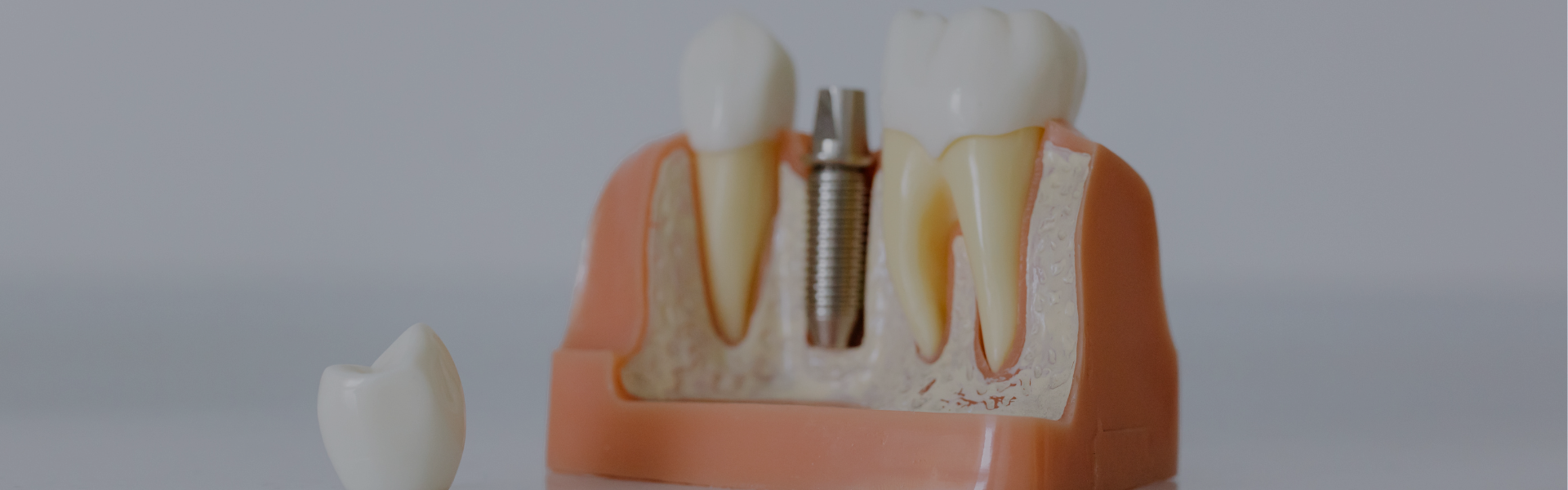
A dental implant has three main parts: a titanium post that goes into the jaw, an abutment that connects to it, and a crown that is made just for the patient to finish the restoration. Each part helps restore function, appearance, and stability over time.
- The titanium post acts like a natural tooth root and integrates with bone.
- The abutment connects the implant to the final crown.
- The custom crown restores function and appearance.
Advanced imaging technologies, such as CBCT, are used to carefully plan placement. If the bone has shrunk, bone grafting is often done first to restore strength and stability.
Long-Term Function and Aesthetic Confidence
Implant-supported restorations stay in place, while removable dentures can move during eating or speaking. Implants allow comfortable chewing, maintain jawbone structure, and preserve facial appearance.
Lithium disilicate and zirconia are commonly used for implant crowns because they are strong, durable, and highly aesthetic. Their translucency helps them blend naturally with surrounding teeth.
With proper care, implants routinely show over 90% survival rates even after 20 years. Regular maintenance and good hygiene significantly improve long-term success.
Are Implants Right for Everyone?
Not everyone is an immediate candidate for implant therapy, but many can become candidates with proper preparation. Adequate bone volume is essential, and bone grafting may be required when resorption has occurred.
- Systemic conditions like diabetes or autoimmune disorders may affect healing.
- Smoking increases the risk of complications and implant failure.
- A full evaluation including medical history, imaging, and periodontal health is essential before treatment.
Implants require coordination between the surgical and restorative teams to achieve proper placement, esthetics, alignment, and hygiene access.
Maintaining Health Around the Implant
Implants must be cared for just like natural teeth. Although they cannot decay, the surrounding tissues can become inflamed.
- Peri-implantitis can occur if bacteria accumulate around the implant.
- Regular professional cleanings and exams are essential.
- Soft-bristled brushes and non-abrasive toothpaste are recommended.
- Stannous fluoride toothpastes are often suggested for added protection.
With proper care, implants integrate seamlessly into oral function and aesthetics, functioning like natural teeth.
Implants are an excellent way to restore both the appearance and function of natural teeth. Like any medical procedure, they require proper planning, precise execution, and long-term maintenance.
Dental implants stand out for their longevity, esthetics, and ability to maintain oral health from within the bone structure itself. For patients seeking a long-term solution, implants often provide the highest value.
To find out if dental implants are the best option for your treatment plan, call 251-333-1700 to set up a meeting with our experienced surgical team.
Blog Post Author

Contributed by DentalROI
DentalROI provides relevant dental content to help providers educate patients. The statements, services, and products referenced in this article have not been evaluated by the Food and Drug Administration, and they are not intended as a substitute for professional medical advice, diagnosis, or treatment. Always seek the advice of your dental provider with any questions or issues you may have. Specific recommendations may vary in different circumstances, so individual consultation is important.