
 251-333-1700
What Is the Difference Between Subperiosteal and Endosteal Dental Implants?
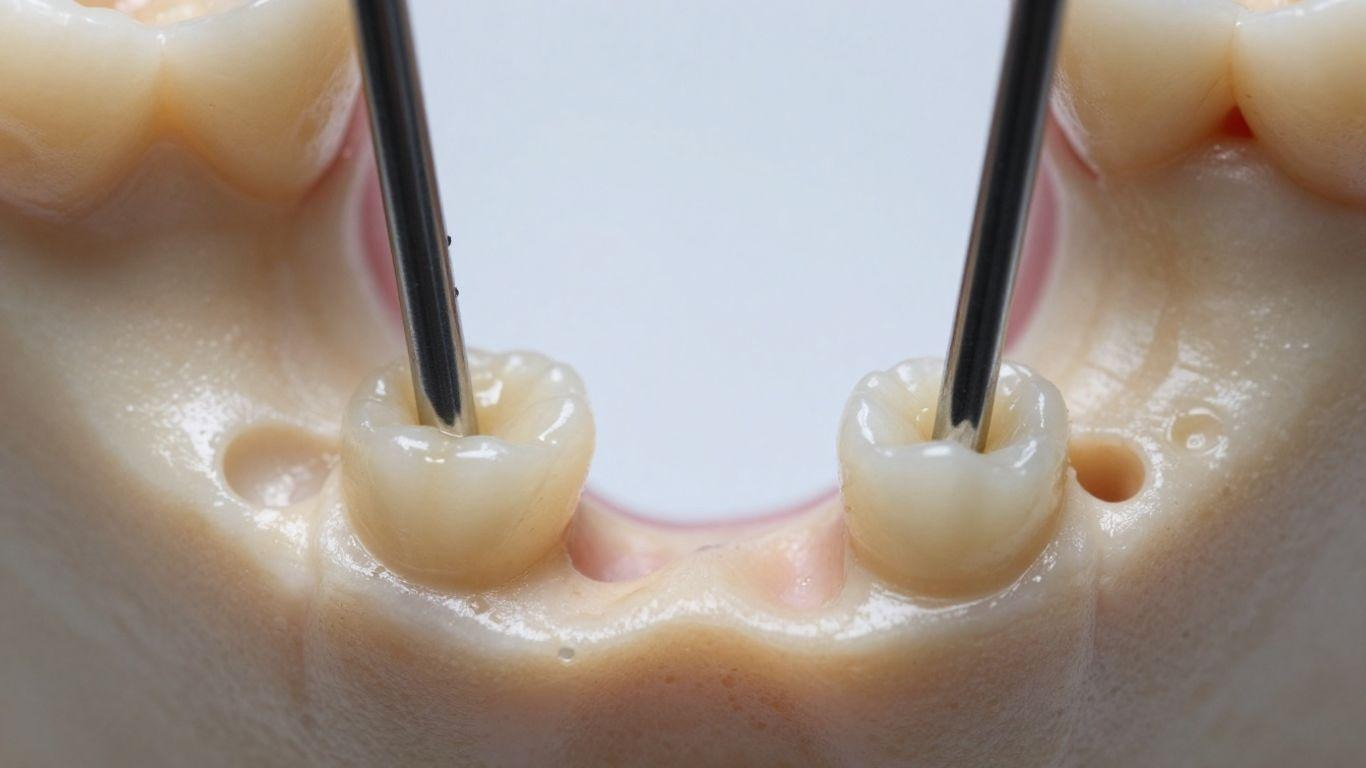
So, you're looking into dental implants and keep hearing about subperiosteal and endosteal types. What's the deal? Let's break down the difference between subperiosteal and endosteal implants in plain English.
Which type of implant is more commonly used and why?
When it comes to dental implants, endosteal implants are the go-to option for most people. Think of them as the standard choice. Why? Because they're placed directly into your jawbone, offering a super stable foundation for your new teeth. This direct contact with the bone is what makes them so reliable and long-lasting. They're shaped like little screws, cylinders, or blades, and they basically become one with your jawbone over time. This is why dentists usually prefer them – they're predictable and tend to work really well, provided you have enough healthy bone.
Subperiosteal implants, on the other hand, are less common. They're used when there isn't enough healthy jawbone to support an endosteal implant. Instead of going into the bone, they sit on top of it, just under the gums. A metal frame is custom-made to fit the shape of your jawbone, and posts stick up through the gums to hold your replacement teeth. While they can be a great solution for some, they're not as straightforward as endosteal implants and usually require more specialized fitting.
Here's a quick look at how they stack up:
| Feature | Endosteal Implant | Subperiosteal Implant |
|---|---|---|
| Placement | Directly into the jawbone | On top of the jawbone, under the gums |
| Commonality | Most common | Less common |
| Jawbone Needs | Requires sufficient healthy jawbone | Used when jawbone is insufficient for endosteal implants |
| Structure | Screw, cylinder, or blade shape | Custom-made metal frame with posts |
The main thing to remember is where they go. Endosteal implants are in the bone, while subperiosteal implants are on the bone. This difference in placement is key to understanding why one might be chosen over the other.
Subperiosteal vs Endosteal Dental Implant Types Explained
Alright, let's break down the two main players in the dental implant world: subperiosteal and endosteal. They sound fancy, but really, it's all about where they sit in your jaw.
How does each implant type attach to the jaw?
Think of endosteal implants as the ones that go into the bone. The name even gives it away – 'endo' means inside, and 'osteal' relates to bone. These are the most common type you'll hear about. They usually look like little screws, cylinders, or blades made of titanium. A surgeon places them right into your jawbone during a procedure. It's like giving your jaw a new, solid anchor point for a replacement tooth. Over time, your jawbone actually fuses with the implant, making it super stable. This is the go-to option if you've got a good amount of healthy jawbone.
On the other hand, we have subperiosteal implants. These guys sit on top of the jawbone, but still under your gums. 'Subperiosteal' means 'under the bone covering'. Instead of drilling into the bone itself, a metal framework is custom-made to fit right onto the surface of your jawbone. Little posts then stick up through your gums from this framework, and that's where your new tooth attaches. These are often used when someone doesn't have enough healthy jawbone to support an endosteal implant. It's a clever workaround when the bone isn't quite up to snuff for the 'in-the-bone' type.
Here's a quick rundown:
- Endosteal: Placed directly into the jawbone. Think of it as building a foundation within the existing structure.
- Subperiosteal: Placed on top of the jawbone, under the gums. It's like building a platform on the existing surface.
So, the big difference in how they attach comes down to whether the implant is anchored inside the bone or resting on it. It really changes how the whole thing is supported and what kind of jawbone situation you need for each.
Types of Dental Implants Explained — Full Patient Guide
When you're looking into getting dental implants, you'll quickly realize there isn't just one kind that fits everyone. It's not a one-size-fits-all deal. Different types of dental implants explained are suited for different situations, and your dentist will figure out the best fit based on your specific mouth and jaw.
How does each implant type attach to the jaw?
There are two main players when we talk about how implants connect with your jawbone: endosteal and subperiosteal. Think of it like this:
- Endosteal Implants: These are the most common ones you'll hear about. They're basically small, screw-shaped posts, usually made of titanium. The idea is to put them right into your jawbone. Over a few months, your jawbone actually grows around the implant, kind of like how it would with a natural tooth root. This process, called osseointegration, makes it super stable. This is the go-to for folks with healthy, solid jawbones.
- Subperiosteal Implants: These are for when you've lost some bone density and might not be a candidate for bone grafting. Instead of going into the bone, these implants have a metal frame that sits right on top of your jawbone, but still under your gums. Little posts stick up through your gums to hold your new teeth. They're a good option if your jawline is a bit shallower.
The choice really comes down to the condition of your jawbone. If you've got good bone density, endosteal implants are usually the way to go because they offer a really strong foundation. But if bone loss is an issue, subperiosteal implants can be a great alternative without needing major bone rebuilding surgery.
Which Type of Dental Implant Is Right for Me?
So, you're wondering which type of dental implant is right for you? It's a big question, and honestly, there's no single answer that fits everyone. Think of it like picking out a pair of shoes – what works for one person might not be the best for another. Your jawbone's condition is a huge factor, and that's where your dentist really comes in.
Does bone density affect which implant option is available to you?
Absolutely, bone density plays a massive role. If you've got a good amount of healthy jawbone, you're likely a great candidate for endosteal implants. These are the most common type, basically little titanium screws that go right into your jawbone. Your bone then grows around them, making a super solid base for your new teeth. It's like building a house on a strong foundation.
But what if you've experienced some bone loss over time? That's where things get a bit different. For folks with less bone density, or if you're not keen on bone grafting procedures, subperiosteal implants might be the way to go. Instead of going into the bone, these implants have a metal frame that sits on top of your jawbone, just under the gums. Posts stick out from this frame to hold your replacement teeth.
Here's a quick rundown:
- Endosteal Implants: Best for those with sufficient, healthy jawbone. They're placed directly into the bone.
- Subperiosteal Implants: A good option when there's not enough bone height for endosteal implants, or if you want to avoid bone grafting. The frame sits on the bone, under the gums.
Your dentist will look at your specific situation, usually with X-rays and maybe a CT scan, to figure out what's best. They'll consider:
- The amount and quality of your jawbone.
- Your overall oral health.
- Any medical conditions you might have.
- Your lifestyle and expectations.
Ultimately, the goal is to find an implant solution that's stable, looks natural, and will last. It's a personalized process, and your dentist's assessment is key to making the right choice for your smile.
Endosteal Implant vs Subperiosteal Implant — Cost and Recovery Comparison
When we talk about the endosteal implant vs subperiosteal implant comparison, especially when it comes to your wallet and getting back to normal life, things can look a bit different.
Generally, endosteal implants tend to be a bit more straightforward in terms of cost and recovery because they're the standard. Think of it like this:
- Endosteal Implants: These are the most common, so dentists do them all the time. The surgery is usually a single procedure where the implant goes right into the bone. Recovery involves some swelling and discomfort for a few days to a couple of weeks, but you're typically back to eating softer foods pretty quickly. Because they're so common, the cost is often more predictable.
- Subperiosteal Implants: These are less common and often require more custom work. Since they sit on top of the bone, the surgery might involve fitting a custom-made frame. This can sometimes mean a longer or more involved surgical process, and the healing period might also be a bit longer as your gums need to heal around the frame. The custom nature and the specialized skill needed can sometimes bump up the price.
The biggest factor influencing cost and recovery is often the complexity of your specific situation and the type of surgery needed.
Here's a quick rundown:
- Cost: Endosteal implants are usually less expensive due to standardization. Subperiosteal implants can be more costly because they are often custom-made and require specialized surgical expertise.
- Surgery Time: Endosteal surgery is typically quicker. Subperiosteal surgery can take longer, especially if a custom frame needs to be fitted precisely.
- Recovery Period: Both require healing, but subperiosteal implants might have a slightly longer initial healing phase for the gums to settle around the frame.
- Long-Term Outlook: Both aim for a stable, long-lasting solution, but the success of subperiosteal implants heavily relies on the precise fit of the frame onto the existing bone.
It's really important to chat with your dentist about what they expect for your specific case. They can give you the best idea of what costs and recovery timelines to prepare for, based on whether you need an implant that goes into the bone or sits on top of it.
Ultimately, while endosteal implants are the go-to for many, subperiosteal implants offer a great solution when bone isn't quite up to par for the standard option. Your dentist will guide you to the best fit for your mouth and your budget.
Wrapping Up: Choosing Your Implant Path
So, what's the big difference between subperiosteal and endosteal dental implants? It really comes down to how they're placed in your jaw. Endosteal implants go right into the bone, like screws, and are super common if you've got good bone. Subperiosteal implants sit on top of the bone, under the gums, and are a great option when your bone isn't quite strong enough for the other kind. Both aim to give you a stable, natural-looking replacement tooth. The best way to figure out which one is right for you is to chat with your dentist. They'll check out your jawbone and talk about your options to get you smiling confidently again.
Frequently Asked Questions
What's the main difference between endosteal and subperiosteal implants?
Think of it like this: endosteal implants are placed directly in your jawbone, usually looking like screws. Subperiosteal implants, on the other hand, are put on your jawbone, just under the gums. They're like a frame that sits on the bone.
Which type of implant is used more often?
Endosteal implants are used way more often. Dentists usually go for them because they're really stable and work great if you have enough healthy jawbone. They've been around a long time and are a reliable choice.
Can I get an implant if I don't have much jawbone?
Yes, you probably can! If your jawbone isn't thick or strong enough for an endosteal implant, a subperiosteal implant might be a good choice. It sits on top of the bone, so it doesn't need as much bone depth.
How do these implants attach to my jaw?
Endosteal implants are screwed or placed directly into the jawbone. Over time, your bone grows around them, making them super secure. Subperiosteal implants have a metal frame that rests on the jawbone, and posts stick out through the gums to hold your new tooth.
Does bone density matter when choosing an implant?
Totally! Bone density is a big deal. If your bone is dense and healthy, an endosteal implant is usually the best bet. If it's a bit worn down or not as thick, a subperiosteal implant might be the way to go.
Are there other types of implants besides these two?
Yep, there are! While endosteal and subperiosteal are the most common, there are also more complex ones like transosteal and zygomatic implants. These are usually for really specific or difficult situations and aren't used as much.
Blog Post Author

Contributed by DentalROI
DentalROI provides relevant dental content to help providers educate patients. The statements, services, and products referenced in this article have not been evaluated by the Food and Drug Administration, and they are not intended as a substitute for professional medical advice, diagnosis, or treatment. Always seek the advice of your dental provider with any questions or issues you may have. Specific recommendations may vary in different circumstances, so individual consultation is important.