
 251-333-1700
What Is a Bone Graft and Do You Need One for Dental Implants
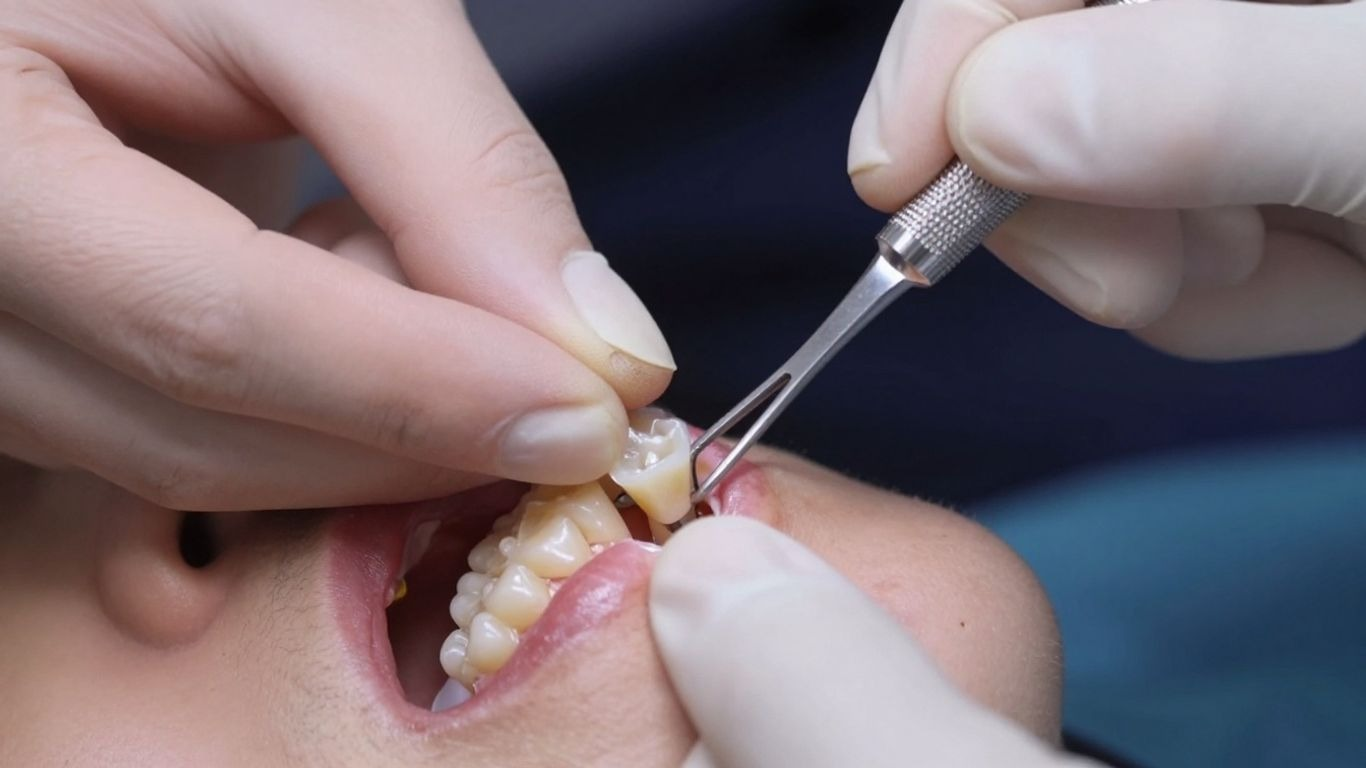
Thinking about dental implants to replace missing teeth? It's a great option, but sometimes you might hear about something called a bone graft. What exactly is that, and do you really need one? It can sound a bit complicated, but basically, it's a way to make sure your jawbone is strong enough to hold those new implants securely. Let's break down what a bone graft is and why your dentist might recommend it for your dental implant journey.
Key Facts to Know
- A bone graft is a procedure to add bone to your jaw, creating a solid base for dental implants when your natural jawbone isn't thick or dense enough.
- You might need a bone graft if you've lost teeth due to gum disease, injury, or have had missing teeth for a long time, causing bone loss.
- Dentists determine the need for a bone graft through X-rays and examining the height and density of your jawbone.
- The bone graft procedure is usually done separately before implant surgery, and it requires healing time for the new bone to fuse with your existing bone.
- While not everyone needs a bone graft, it's often essential for the long-term success and stability of dental implants, preventing complications like implant failure or shifting.
What Is a Bone Graft for Dental Implants?
So, you're thinking about getting dental implants, huh? That's great! They're a fantastic way to replace missing teeth. But sometimes, before you can get those shiny new implants, you might need something called a bone graft.
How does a bone graft help prepare the jaw for implants?
Basically, a bone graft is a procedure to add bone where there isn't enough. Think of your jawbone like the foundation for a house. If the foundation isn't strong or deep enough, you can't build a sturdy house on top of it. The same idea applies to dental implants. The implant is like a screw that goes into your jawbone, and it needs a solid base to hold onto. If your jawbone has shrunk or isn't dense enough, the implant might not be stable, and it could even fail.
Why does the jawbone shrink? Well, when you lose a tooth, the bone that used to support it doesn't get the same stimulation anymore. Over time, your body can actually reabsorb some of that bone, especially if the tooth has been gone for a while or if you've had gum disease. That's where a bone graft comes in. It adds bone material – either from your own body, a donor, or a synthetic source – to build up the jawbone. This new bone then fuses with your existing bone, creating a strong, stable foundation ready for your dental implant.
- Tooth Extraction: After a tooth is removed, the bone in that spot can start to shrink. A graft can be done right after to keep that area strong.
- Gum Disease: Serious gum issues can eat away at your jawbone, leaving it too weak for implants.
- Long-Term Tooth Loss: If you've been missing teeth for a long time, the bone in those areas likely has thinned out.
- Sinus Issues: Sometimes, especially in the upper jaw, the sinus cavity is too close to where an implant needs to go. A procedure called a sinus lift might be done, which also involves adding bone.
The goal of a bone graft is pretty straightforward: to give your dental implant the best possible chance of success by providing a solid, healthy bone structure to anchor into. It's all about making sure your new smile is built to last.
Do You Need a Bone Graft for Dental Implants?
So, you're thinking about getting dental implants, which is awesome! They're a fantastic way to replace missing teeth. But then you hear about bone grafts, and you start wondering, "Do I actually need one?" The short answer is: it depends. Not everyone needs a bone graft, but if your jawbone isn't quite up to snuff for an implant, then yeah, you probably do. Think of your jawbone like the foundation of a house; if it's not solid, the house (or in this case, the implant) won't stand up right.
How do dentists determine if a bone graft is necessary?
Your dentist is the best person to figure this out. They'll usually start by taking some X-rays or a 3D scan of your mouth. This lets them get a really good look at your jawbone's height and density. They're basically checking to see if there's enough sturdy bone to anchor the implant securely. If the bone looks good and strong, you might be good to go straight to the implant surgery. But if it's a bit thin, short, or has deteriorated for any reason, a bone graft will likely be on the table.
- Tooth Extraction: When a tooth is removed, the bone in that spot can start to shrink over time. If you're planning an implant later, a graft right after extraction can help keep that bone from disappearing.
- Gum Disease: Advanced gum disease can really mess with your jawbone, causing it to wear away. A graft can help rebuild that bone so an implant has something solid to hold onto.
- Long-Term Tooth Loss: If you've been missing a tooth for a while, the bone in that area probably hasn't been stimulated and has likely shrunk. A graft can add that needed bone back.
- Previous Implant Failure: Sometimes, if an implant didn't take the first time, it might be because of insufficient bone. A graft can create a better environment for a new implant.
Skipping a necessary bone graft can lead to problems down the road, like implants not fusing properly, instability, pain, or even the implant poking through the gums. It's better to do it right the first time if your dentist recommends it.
Your dentist will chat with you about what they see on the scans and explain why they think a graft is or isn't needed for your specific situation. They'll go over the options, which might include using your own bone, donor bone, or synthetic materials.
Bone Graft Before Dental Implant — What to Expect
So, you're thinking about dental implants and your dentist mentioned a bone graft might be in the cards. It sounds like a big deal, and honestly, it is, but it's usually a really good thing for the long haul. Think of it like building a house – you need a solid foundation, right? For implants, that foundation is your jawbone. If it's not quite up to snuff, a bone graft is basically adding more building material to make sure everything stays put and works right.
How long do you wait after a bone graft before getting an implant?
This is the big question, and the answer is: it depends. After the bone graft procedure, your body needs time to do its thing. The new bone material needs to fuse with your existing jawbone. This process, called osseointegration, is super important for the implant to be stable. We're usually talking a waiting period of anywhere from a few months to maybe even a year. It really varies from person to person and depends on how much grafting was needed.
- Healing: Your body starts to integrate the graft material with your natural bone.
- Strengthening: The grafted area becomes stronger and thicker, creating a better base.
- Monitoring: Your dentist will likely want to check in on the healing progress periodically.
It might feel like a long time to wait, but rushing it could mean the implant doesn't take properly. Patience is key here!
After the bone graft, you'll need to be extra careful with your oral hygiene. Your dentist will give you specific instructions, but generally, it involves gentle brushing and rinsing. Sticking to soft foods for a while is also a good idea to avoid putting too much pressure on the graft site. Think smoothies, yogurt, and mashed potatoes – not steak and crunchy apples.
So, when you're looking at the whole bone graft before dental implant process, remember that the waiting period is a vital part of what to expect. It's all about setting the stage for a successful dental implant that will last you for years to come.
Dental Bone Graft Procedure: Step by Step
So, you've learned that a bone graft is likely in your future before getting dental implants. It sounds like a big deal, but honestly, it's a pretty standard procedure designed to give your new implants a solid foundation. Let's break down what the actual dental bone graft procedure usually looks like.
What Happens During the Procedure?
- Anesthesia: You'll get local anesthesia to numb the area, and sometimes sedation is offered if you're feeling particularly anxious. You won't feel any pain during the procedure itself.
- Incision: The surgeon makes a small cut in your gum to get to the jawbone where the graft is needed.
- Graft Placement: The bone graft material is carefully placed into the area that needs more bone volume or density. Think of it like adding building blocks where there's not enough structure.
- Securing the Graft: Sometimes, a special membrane is used to cover the graft, and then everything is gently stitched up.
Is a Bone Graft Painful and How Long Does It Take to Heal?
This is a big question for most people. During the actual dental bone graft procedure, you shouldn't feel any pain because of the anesthesia. Afterward, you might experience some discomfort, swelling, or bruising, kind of like after any dental surgery. Your dentist will give you pain medication to manage this. Most people find that the discomfort is manageable and fades within a few days.
As for healing, this is where patience comes in. The grafted bone needs time to fuse with your existing jawbone. This process, called osseointegration, typically takes anywhere from two to six months. During this time, it's super important to follow your dentist's instructions for care, which usually involves gentle brushing, avoiding the surgical site when cleaning, and sticking to softer foods.
The success of your dental implant hinges on a strong, healthy jawbone. A bone graft is essentially a way to rebuild or reinforce that foundation, making it possible for implants to integrate properly and last for years to come.
Bone Graft for Implants — Risks, Cost and Recovery
So, you're thinking about getting a dental implant and your dentist mentioned a bone graft. It sounds like a big deal, and honestly, it can be. But understanding the potential downsides, what you might pay, and what recovery looks like is super important.
First off, let's talk risks. Like any surgery, there are always some. Infection is a possibility, though dentists do everything they can to keep things clean. Sometimes, the graft just doesn't take as well as hoped, meaning it might not integrate with your jawbone properly. This could lead to needing another procedure or, in rare cases, the implant failing. There's also the chance of nerve damage, though this is uncommon and usually temporary if it happens. Your dentist will go over all these possibilities with you before you decide.
Now, the cost. This is where things can get a bit fuzzy because it really depends on a lot of factors. The type of bone graft material used (whether it's from your own body, a donor, or synthetic), the complexity of the procedure, and where you live all play a role. Generally, you're looking at a range, and it's not pocket change. It's often a few thousand dollars, but it can go higher. It's really best to get a detailed quote from your dental office.
Recovery is another big piece of the puzzle. After the graft, you'll need time for that new bone to heal and fuse with your existing jawbone. This isn't an overnight thing; it can take anywhere from a few months to almost a year, depending on your body and how extensive the graft was. During this time, you'll likely experience some swelling and discomfort, but pain medication usually keeps it manageable. You'll also need to be extra careful with your oral hygiene in that area.
- Initial Healing: Expect some soreness, swelling, and maybe bruising for the first week or two. Stick to soft foods.
- Graft Integration: This is the long haul, where the bone slowly fuses. You'll have follow-up appointments to check progress.
- Activity Restrictions: Your dentist will tell you what activities to avoid, especially anything that puts pressure on the graft site.
- Oral Hygiene: Keeping the area clean is vital, but you'll need to be gentle. Your dentist will show you how.
It's important to remember that while a bone graft adds complexity and cost, it's often a necessary step for a stable, long-lasting dental implant. Skipping it when it's needed can lead to bigger problems down the road, like implant failure or more complicated surgeries later on.
So, What's the Verdict on Bone Grafts?
Alright, so we've talked a lot about bone grafts and dental implants. The main takeaway here is that not everyone needs a bone graft to get implants. It really just depends on your specific situation. If your jawbone is looking a bit thin or weak, a bone graft can be a total game-changer, giving your implants the solid foundation they need to stick around for the long haul. Think of it as building a strong base before you put up the house. Your dentist is the best person to figure out if you're in that boat. They'll take a good look, maybe snap some X-rays, and tell you exactly what's up. Don't sweat it too much – it's all about getting you that healthy, confident smile you're after.
Frequently Asked Questions
What exactly is a bone graft for dental implants?
Think of a bone graft as adding building material to your jawbone. If your jawbone isn't strong or thick enough to hold a dental implant, a bone graft is a procedure that adds bone tissue. This creates a solid foundation, like building a strong base for a house, so the implant can be placed securely and work properly.
Why would I need a bone graft for dental implants?
You might need a bone graft if you've lost a tooth and the bone in that spot has shrunk over time. This can happen if you've had a tooth removed, have gum disease, or have been missing teeth for a long time. Without enough bone, the implant won't have anything stable to attach to, and the graft helps fix that problem.
How does a dentist know if I need a bone graft?
Your dentist will examine your mouth carefully and likely take X-rays or a special scan. They'll look at how much bone you have and how dense it is. If the bone is too thin or not strong enough to support an implant, they'll recommend a bone graft.
How long do I have to wait after a bone graft before getting an implant?
After a bone graft, you usually have to wait for the new bone to heal and fuse with your existing jawbone. This healing process can take several months, sometimes up to six months or even longer, depending on how much grafting was done and how your body heals.
Is the bone graft procedure painful, and how long does it take to heal?
The procedure itself is done with numbing medicine, so you shouldn't feel pain during it. Afterward, you might have some soreness, but pain medication can help manage it. Healing can take a few months, during which you'll need to be gentle with the area and follow your dentist's instructions.
What happens if I don't get a bone graft when my dentist recommends it?
If you skip a recommended bone graft, your dental implant might not have a strong enough base. This could lead to the implant not fusing properly with your bone, causing it to become loose, unstable, or even fail completely. It could also cause problems like pain or the implant moving.
Blog Post Author

Contributed by DentalROI
DentalROI provides relevant dental content to help providers educate patients. The statements, services, and products referenced in this article have not been evaluated by the Food and Drug Administration, and they are not intended as a substitute for professional medical advice, diagnosis, or treatment. Always seek the advice of your dental provider with any questions or issues you may have. Specific recommendations may vary in different circumstances, so individual consultation is important.