
 251-333-1700
What Are the Warning Signs of Oral Cancer That Should Not Be Ignored?
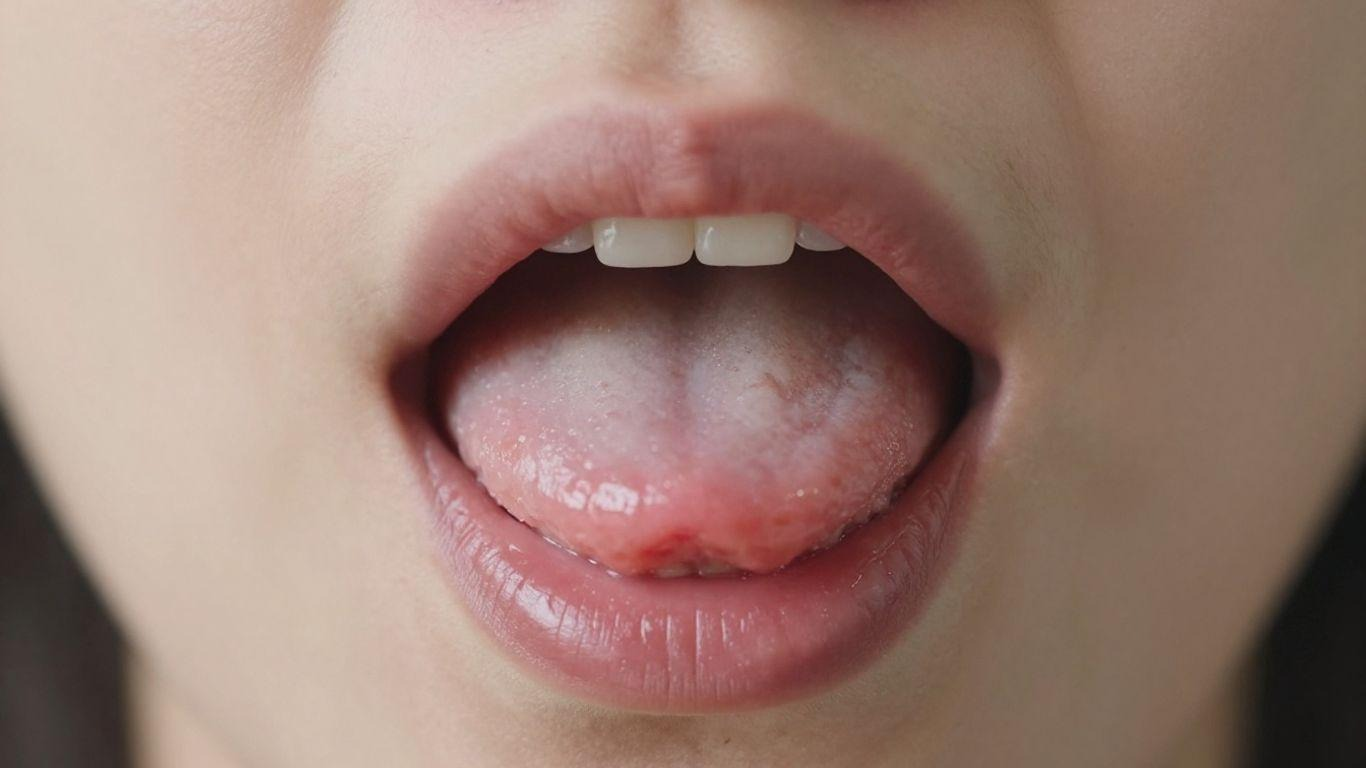
So, you're wondering about the first signs of oral cancer? It's a good question to ask because, honestly, this stuff can sneak up on you. The thing is, oral cancer doesn't always announce itself with a big, obvious problem. Often, the earliest signs are pretty subtle, almost like a whisper rather than a shout. This is why it's so important to know what to look for, even if it seems minor at first.
Think of it like this: sometimes, the very first indication that something's not quite right might just be a little spot or a slight change in the way your mouth feels. It might not even hurt, which is part of the problem. Because it's not painful, people tend to brush it off, thinking it'll just go away on its own. But that's exactly when you need to be paying extra attention.
These early changes can show up in a few different ways. You might notice a small sore that just doesn't seem to be healing like a normal cut or canker sore would. Or, you could see a patch of white or red inside your mouth that looks a bit off. Sometimes, it's just a feeling, like a persistent lump or a weird sensation that doesn't go away. The key takeaway here is that these early signs can appear very quickly, sometimes within days, but they often linger for weeks if they are serious.
It's also worth noting that oral cancer can affect different parts of your mouth. The tongue, the inside of your cheeks, your gums, the roof or floor of your mouth, and even your lips can be affected. So, don't just focus on one area. Give your whole mouth a good look-over regularly.
Here's a quick rundown of what to keep an eye out for:
- Sores that don't heal: This is a big one. If you have a cut or a sore that's been there for more than two weeks, it's time to get it checked.
- White or red patches: These can look like small spots or larger areas and might not feel different from the rest of your mouth.
- Lumps or thickenings: You might feel a hard spot or a general thickening of the tissue somewhere in your mouth or throat.
- Unexplained bleeding: If an area in your mouth starts bleeding without a clear reason, like an injury, pay attention.
- Changes in sensation: This could be numbness, a tingling feeling, or even pain in your tongue, lips, or mouth that doesn't have an obvious cause.
Remember, many of these early signs can be mistaken for common mouth issues. The difference is persistence. If something feels off and it doesn't resolve within a couple of weeks, it's definitely worth a professional look.
It's estimated that in 2026, over 60,000 people in the US will be diagnosed with oral or oropharyngeal cancer. While that number might seem high, the good news is that when caught early, treatment is much more effective and less invasive. So, being aware of these early signs is really your best defense.
Oral Cancer Early Warning Signs and Symptoms to Watch For
It's easy to brush off weird stuff happening in your mouth. A little sore here, a weird patch there – we've all had them. But when it comes to oral cancer early warning signs symptoms, some things just shouldn't be ignored. The tricky part is that these early signs often don't hurt, making them super easy to miss or mistake for something minor, like a canker sore or irritation from that crunchy chip you ate.
Which areas of the mouth are most commonly affected by oral cancer?
Oral cancer can pop up in a few different spots. The tongue is a big one, especially the sides and the underside. Your gums, the inside of your cheeks, the floor of your mouth (that's the part under your tongue), and even your soft palate (the back part of the roof of your mouth) are also common places. Sometimes, it can even affect your lips or throat.
Here's a quick rundown of what to keep an eye out for:
- Sores that won't heal: This is probably the most common sign. If you have a sore, ulcer, or a spot that looks like a raw patch that doesn't get better after two weeks, get it checked out. It might not be anything, but it's better to be safe.
- White or red patches: These are often painless. White patches, called leukoplakia, can't be wiped off. Red patches, known as erythroplakia, might be slightly raised and can sometimes bleed. Sometimes you might see a mix of both red and white.
- Lumps or thickenings: Feel for any new lumps, bumps, or areas that feel thicker than usual in your mouth, on your gums, or even in your neck. They might not be painful at first.
- Changes in your tongue: This could be pain, numbness, or a strange tingling sensation. Sometimes, the tongue might feel rough in certain spots.
- Trouble swallowing or speaking: If you suddenly find it hard to swallow, feel like food is getting stuck, or your voice becomes hoarse for no clear reason, it's worth mentioning to your doctor or dentist.
- Unexplained ear pain: This might sound weird, but persistent pain in one ear, without an ear infection, can sometimes be linked to oral cancer.
Remember, many of these signs can be caused by less serious issues. However, if any of these symptoms stick around for more than a couple of weeks, or if they seem to be getting worse, it's time to get them looked at by a dental professional or doctor.
It's estimated that in 2026, over 60,000 people in the U.S. will be diagnosed with oral or oropharyngeal cancer. While that number might seem high, knowing the oral cancer early warning signs symptoms and getting checked regularly can make a huge difference in treatment outcomes. Don't wait to see if it goes away on its own – if something feels off, get it checked.
Signs of Mouth Cancer You Should Never Ignore
So, you've got a little something going on in your mouth, and you're wondering if it's just a fluke or something more serious. It's easy to brush off a sore or a weird feeling, especially when it doesn't hurt much. But when it comes to your health, especially with something like oral cancer, ignoring certain warning signs of oral cancer that should not be ignored can be a big mistake. These signs of mouth cancer to watch for might seem small at first, but they're your body's way of telling you something needs attention.
Is a Sore That Won't Heal Always a Sign of Oral Cancer?
Not every little cut or bump in your mouth is cancer, thankfully. We all get canker sores or scrape our tongue on a chip now and then. The key difference is time. If you have a sore, a red or white patch, or even just a tender spot that doesn't start to heal up within two weeks, that's when you should really pay attention. It's not about panicking, but it is about being aware. Think of it like a leaky faucet – a drip might not seem like much, but if it keeps dripping day after day, it's probably time to call a plumber.
Here are some things that often get overlooked but are important:
- Persistent Sores: Any open sore, ulcer, or raw spot in your mouth that doesn't heal after a couple of weeks.
- Lumps or Thickening: A new lump or a thickening of the tissue anywhere in your mouth, on your tongue, or even in your neck.
- Color Changes: Patches of red (erythroplakia) or white (leukoplakia) tissue inside your mouth. These can sometimes be mistaken for irritation, but they need a closer look.
- Unexplained Bleeding: If you notice bleeding in your mouth that doesn't seem related to injury, especially from a specific spot.
- Changes in Texture: Areas that feel rough, crusty, or numb.
It's easy to think, 'Oh, it'll go away,' but when it comes to your oral health, giving persistent changes a second thought is a smart move. Don't wait for pain to be the only indicator; many early signs are silent.
Sometimes, oral cancer doesn't present as a dramatic sore. It can be more subtle. You might notice:
- A persistent feeling that something is stuck in your throat.
- Difficulty or discomfort when chewing or swallowing.
- Changes in how your voice sounds, like persistent hoarseness.
- Numbness in your tongue or lips.
- Unexplained weight loss, which can happen if eating becomes uncomfortable.
What Does Early Oral Cancer Look Like — Visual Signs
Okay, so you’ve probably wondered, "what does early oral cancer look like?" Let’s run through what you might see (or feel) if a problem is brewing. Most folks skip their mouths in the mirror—until something’s bugging them. Don’t be that person. Here’s what to keep an eye on so you don’t miss something important.
How is early oral cancer different from a regular mouth sore?
Early oral cancer can sneak up on you. The problem is, it doesn’t usually look scary at first, and it might not hurt at all. Here’s how you can tell it apart from the usual canker sore or irritation from biting your cheek:
- It lasts longer than two weeks. That’s a big red flag. Regular mouth sores heal up, but cancer-related spots stick around.
- The spot may be firm or thick instead of soft like most sores.
- Color can be weird: white, red, or even mixed red-and-white patches.
- The edges are often more rough or raised, not smooth.
- These patches don’t rub or brush off—if you see one that won’t go away, get it checked.
| Visual Sign | What To Look/Feel For |
|---|---|
| Non-healing sore | Open sore or ulcer, usually painless, >2 weeks |
| White patch | Painless, flat or slightly raised, can’t wipe off |
| Red patch | Bright, flat or slightly raised, may bleed |
| Lump or thick area | Firm, won’t move, not tender |
| Numb spot | Tingling/loss of feeling, even before pain |
A regular mouth sore feels annoying and gets better; early oral cancer is tricky because it lingers and often doesn’t hurt.
- If you have trouble moving your jaw, speaking, or swallowing, that’s a sign something bigger is going on.
- Dentures or dental work suddenly don’t fit right? Could be swelling from something more serious.
- Watch for bleeding (especially if it comes from a weird spot and not while brushing), or any unexplained pain or earache in one ear.
These changes might seem minor, but paying attention to what your mouth looks like could be the difference between a quick appointment and something nobody wants to deal with later. If you spot something weird that won’t heal, get it checked out. Better safe than sorry!
Be honest with yourself every time you brush your teeth or floss. If you’re asking, “what does early oral cancer look like?”—now you know some basics to watch for. Don’t ignore what your mouth is trying to tell you!
Oral Cancer Symptoms Dentists Check for at Every Visit
Your dentist is like your first line of defense when it comes to spotting anything weird in your mouth. They're not just looking for cavities, you know. During your regular check-ups, which should be every six months to a year, they're doing a thorough scan for oral cancer symptoms. It's pretty standard stuff for them, but super important for you.
So, what exactly are these oral cancer symptoms a dentist checks for? They're looking for a few key things:
- Changes in tissue color: This includes any red patches (erythroplakia) or white patches (leukoplakia) inside your mouth, on your gums, tongue, or the lining of your cheeks. Sometimes, you might see a mix of red and white, too.
- Sores that don't heal: A little cut from biting your cheek usually heals up fast. But a sore that sticks around for more than two weeks, especially if it's not painful at first, is a big red flag.
- Lumps or bumps: They'll feel around your mouth and neck for any unusual lumps, swelling, or thickening of tissue. This could be on your tongue, the floor of your mouth, or even in your jaw area.
- Changes in texture: Beyond just color, they're checking if any areas feel rougher or different than the surrounding tissue.
Dentists are trained to spot subtle changes that you might miss. They know what a normal mouth looks like and can pick up on deviations that could signal trouble, even if you're not feeling any pain.
They're also checking if your dentures are fitting okay, as a sudden change in fit can sometimes be related to changes in the bone or tissue. Basically, they're giving your whole mouth a once-over, looking for anything that seems out of the ordinary and doesn't have a clear, simple explanation. Don't skip these appointments; they're more than just a cleaning!
Conclusion
Oral cancer can sneak up quietly, showing up as small changes that are easy to brush off. But if you spot a sore, patch, or lump that doesn't go away after two weeks, it's time to get it checked. Regular dental visits help catch these problems early, which really makes a difference. Don't wait for pain or bigger problems—if something feels strange in your mouth, trust your gut and talk to your dentist. Catching oral cancer early is the best way to keep your smile and your health safe.
Frequently Asked Questions
Can oral cancer show up without causing pain?
Yes, it often does. Many people with early oral cancer don't feel any pain. That's why it's important to check your mouth for any changes, even if nothing hurts.
How do I know if a mouth sore is serious?
If you have a sore that doesn't heal in two weeks, or it keeps coming back, you should see your dentist. Most mouth sores go away on their own, but if one sticks around, get it checked.
Where does oral cancer usually start?
Oral cancer can show up anywhere in your mouth, but it's most common on the tongue, inside the cheeks, and on the floor of the mouth. It can also appear on your lips or gums.
Is a white or red patch in my mouth always cancer?
Not always. Sometimes patches are caused by other things, like irritation. But if you see a patch that doesn't go away in two weeks, it's best to let your dentist take a look.
What are the biggest risk factors for oral cancer?
Using tobacco, drinking a lot of alcohol, being over 40, and having HPV are the main risks. Sun damage to your lips can also raise your chances.
How often should I get checked for oral cancer?
Most dentists check for signs of oral cancer at every visit. It's a good idea to see your dentist every 6 to 12 months, even if you don't have any teeth.
Blog Post Author

Contributed by DentalROI
DentalROI provides relevant dental content to help providers educate patients. The statements, services, and products referenced in this article have not been evaluated by the Food and Drug Administration, and they are not intended as a substitute for professional medical advice, diagnosis, or treatment. Always seek the advice of your dental provider with any questions or issues you may have. Specific recommendations may vary in different circumstances, so individual consultation is important.