
 251-333-1700
What Are Screwless Dental Implants
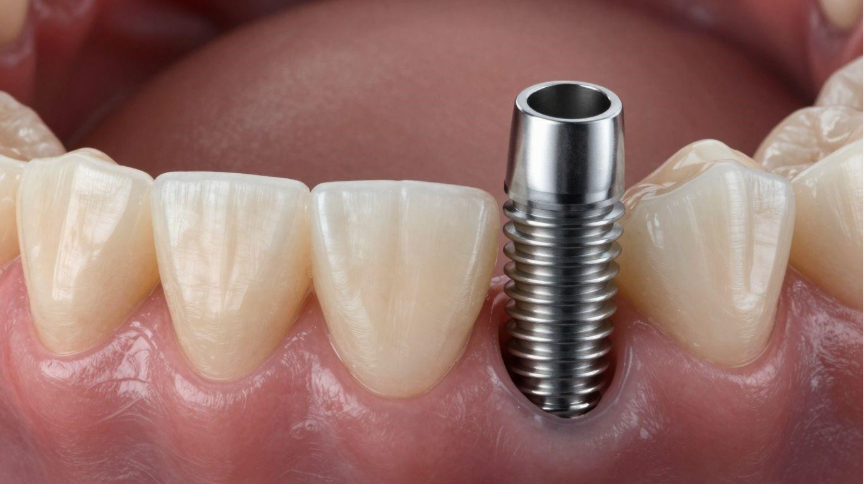
Missing teeth can be a real bother, affecting how you eat, talk, and even how you feel about your smile. For a long time, dental implants have been a go-to solution, giving people back their confidence. Traditionally, these implants use screws to hold everything in place. But lately, there's been a buzz about screwless dental implants. So, what are screwless implants, and how do they work? This article breaks down this newer option for tooth replacement.
Key Takeaways
- Screwless dental implants, also known as cement-retained implants, attach a crown using dental cement or a friction-fit connection instead of screws, offering a cleaner, more natural appearance.
- The procedure involves placing a titanium post in the jawbone, attaching an abutment, and then cementing the crown, bypassing the need for visible screw holes.
- Benefits include improved aesthetics, especially for front teeth, a potentially more comfortable fit, and a reduced risk of complications related to screws.
- While generally safe and effective, screwless implants can be harder to remove for adjustments compared to screw-retained options, and cement residue must be managed carefully.
- Candidates are typically those prioritizing a natural look, seeking a less invasive procedure, or who have had issues with screw-related complications in the past.
How Screwless Dental Implants Work
So, what are screwless dental implants and how do they work? It's a bit different from the traditional method you might have heard about. Instead of using a screw to hold the replacement tooth's cap (the crown) in place, these implants use other methods to keep everything secure. Think of it like a really snug fit or a special kind of dental glue.
Here's a general idea of the screwless dental implants procedure step by step:
- Implant Placement: First, a post, usually made of titanium, is carefully placed into your jawbone. This acts like the root for your new tooth.
- Abutment Connection: After a healing period, a connector piece, called an abutment, is attached to the implant post.
- Crown Attachment: This is where the screwless part comes in. Instead of a screw going through the crown, the crown is either cemented onto the abutment or attached using a precise friction-fit method. This means there's no visible screw hole on the final tooth.
This approach means that what are screwless implants offer a cleaner look, especially for front teeth where appearance is really important. The crown is bonded directly, creating a smooth surface. This method is designed to be very stable, mimicking how natural teeth are anchored. It's a way to get dental implants without screws, providing a secure and natural-looking result. These screwless mini dental implants are a modern option for replacing missing teeth, focusing on both function and aesthetics. The goal is to create a restoration that feels and looks natural, integrating seamlessly with your smile.
The main difference lies in how the final tooth part, the crown, is attached. Traditional implants often have a small screw that goes through the crown into the implant. Screwless versions skip this, using either a strong dental cement or a very precise 'locking taper' design that creates a tight, friction-based hold. This eliminates the need for a screw access hole, leading to a smoother, more natural-looking finish.
Key Benefits of Screwless Dental Implants for Patients
Screwless dental implants offer a number of advantages that patients often find appealing. One of the most talked-about benefits is the improved aesthetic appeal. Because there's no need for a screw access hole on the chewing surface or the front of the crown, the final restoration looks more natural. This is especially important for front teeth, where appearance is a big concern.
Beyond just looks, these implants can feel more comfortable. The smooth, uninterrupted surface of the crown can lead to better adaptation with the surrounding gum tissue. This can contribute to long-term gum health and a more natural feel in the mouth.
Here are some of the main benefits patients experience:
- More natural appearance, particularly for visible teeth.
- Comfortable feel due to a smoother restoration surface.
- Reduced risk of complications like microleakage and bacterial contamination.
- Potentially improved longevity as stress points from screw channels are avoided.
- Easier daily hygiene because there are fewer places for food and bacteria to get trapped.
The design of screwless implants often results in a strong, stable connection between the crown and the implant. This mimics the stability of natural teeth, allowing patients to eat and speak with more confidence. The absence of mechanical stress points associated with screw channels can also contribute to the implant's durability over time.
Many patients also appreciate that screwless implants can simplify their daily oral care routine. With fewer nooks and crannies, keeping the area clean with brushing and flossing becomes more straightforward, which helps prevent issues around the implant.
Healing and Recovery Considerations
After your screwless dental implant is placed, the healing process is quite similar to traditional implants, but some aspects might feel a bit different for patients. The initial days are important for letting everything settle. Following your dentist's specific aftercare instructions is key to a smooth recovery. This usually involves being gentle with the implant site, sticking to soft foods for a while, and keeping the area clean.
Most people find that the recovery period is manageable. Because screwless implants often involve a less invasive placement, some patients report less discomfort compared to other methods. However, everyone heals differently, and it's important to have realistic expectations.
Here’s a general idea of what to expect:
- First 24-48 Hours: Focus on rest and following post-operative care. This is when the initial healing begins.
- First Few Weeks: Gradually reintroduce firmer foods as comfort allows. Maintain excellent oral hygiene around the implant.
- Ongoing: The implant will continue to integrate with your jawbone over several months.
Proper oral hygiene is paramount throughout the healing phase and beyond. This includes gentle brushing and flossing around the implant site to prevent irritation and promote healthy gum tissue.
While screwless implants aim to reduce mechanical complications, the body's natural healing response is still the main factor. If you have any concerns about your healing progress, don't hesitate to reach out to your dental professional. They can provide guidance and address any issues that may arise during this important time. Understanding the healing process helps set the stage for long-term success.
Who May Be a Candidate for Screwless Dental Implants
Deciding if screwless dental implants are the right fit for you involves looking at a few key things. Generally, these implants are a great option for people who want a very natural look, especially for their front teeth where aesthetics are super important. Because there's no screw access hole, the final result looks more like a real tooth.
People who prefer a less invasive procedure might also find screwless implants appealing. The process can sometimes involve less drilling and potentially lead to a quicker recovery period compared to traditional methods.
Having good bone density in your jaw is also a big factor. The implant needs a solid foundation to stay put, and this is especially true for types that rely on a tight, friction-fit connection.
If you've had issues with traditional implants before, like screws loosening or infections, screwless options might be worth considering because they bypass those specific problems.
Here’s a quick rundown of who might be a good candidate:
- Patients prioritizing aesthetics: Especially for visible front teeth, where a seamless, natural appearance is desired.
- Individuals seeking less invasive options: Those who prefer procedures with potentially shorter recovery times.
- People with sufficient jawbone density: This is crucial for the stability of the implant.
- Those who have experienced complications with traditional implants: Such as screw loosening or related infections.
- Patients with certain medical conditions: Conditions that might affect healing can sometimes make less invasive options more suitable.
It's important to remember that every person's situation is unique. A thorough evaluation by a dental professional is the best way to determine if screwless implants align with your specific dental needs and overall health.
Ultimately, the best way to know for sure is to talk with your dentist. They can look at your specific situation, including your bone health and aesthetic goals, to help you make the most informed decision about whether screwless implants are the right path for your smile.
Comparing Screwless Dental Implants to Traditional Implant Options
When you're looking into replacing missing teeth, you'll find there are a couple of main ways to go: traditional screw-retained implants and the newer screwless options. Both have their place, and understanding the differences can help you figure out what might be best for your situation.
Traditional implants have been around for a long time and are a really solid choice for many people. They work by using a small screw to attach the replacement tooth (the crown) to the implant post that's placed in your jawbone. This method is well-tested and has a proven track record of success.
Screwless implants, on the other hand, take a slightly different approach. Instead of a screw, they often use dental cement to hold the crown in place, or they might use a special friction-fit design. This means there's no screw access hole on the crown itself, which can lead to a more natural look, especially for teeth that show when you smile. It also means there's no screw to potentially loosen over time.
Here's a quick look at how they stack up:
- Attachment: Dental cement or friction-fit (locking taper) vs. screw.
- Appearance: No visible screw hole, often more natural-looking vs. possible visible screw access hole.
- Procedure: Can be less invasive, potentially quicker recovery vs. standard surgical placement, longer healing time.
- Maintenance: Can be harder to remove if needed for repair vs. easier to remove for adjustments or repairs.
- Complication Risk: Lower risk of screw loosening; cement issues possible vs. risk of screw loosening, fracture, or peri-implantitis.
The biggest draw for screwless implants is often the aesthetic advantage, particularly for front teeth. Because there's no hole for a screw, the final result can look very much like a natural tooth. This can be a big deal for people who are self-conscious about their smile.
However, traditional implants have a long history of success and are generally easier to take apart if something needs to be adjusted or repaired down the line. The choice between the two often comes down to your specific dental needs, where the implant is located in your mouth, and what your dentist recommends after a thorough examination.
It's important to remember that both types of implants are designed to be a stable, long-term solution for missing teeth. The 'best' option really depends on individual circumstances and what you and your dental professional decide is the right path forward for your oral health and smile.
Wrapping Up: Is a Screwless Implant Right for You?
So, screwless dental implants are definitely an interesting option if you're looking to replace missing teeth. They offer some really nice benefits, especially when it comes to how natural your smile looks, since there's no screw hole to worry about. Plus, some people find them more comfortable. It's not a one-size-fits-all deal, though. The best way to figure out if this method, or a traditional screw-in implant, is the right move for your situation is to chat with your dentist. They can look at your specific needs and help you make the best choice for a healthy, confident smile.
Frequently Asked Questions
What exactly are screwless dental implants?
Screwless dental implants are a type of tooth replacement where the artificial tooth, called a crown, is attached to the implant post using dental cement or a special friction-fit method instead of a screw. This means there's no visible screw hole, giving a cleaner and more natural look.
How do screwless dental implants stay in place?
These implants stay secure in two main ways: either through a tight friction-fit connection, like a puzzle piece fitting perfectly, or by using strong dental cement that bonds the crown to the implant part. Both methods create a stable hold for the new tooth.
Are screwless dental implants as strong as traditional ones?
Yes, screwless dental implants are designed to be very strong and stable. Because they don't have a screw hole, the crown is a solid piece, which can help distribute chewing forces evenly. This design can lead to excellent long-term durability.
What are the main advantages of choosing screwless implants?
The biggest plus is their appearance – they look more natural since there's no screw hole, which is great for front teeth. They can also be more comfortable and might have a lower risk of certain issues related to screws loosening over time.
Can screwless implants be removed if needed?
Removing screwless implants can be more challenging than traditional ones, especially if they are cemented in. While some designs allow for easier removal if necessary, it often requires a dentist's expertise. Traditional implants are generally easier to unscrew.
Who is a good candidate for screwless dental implants?
Screwless implants are often a good choice for people who want the most natural look, especially for teeth that show when they smile. They can also be a good option for those who have had problems with screws in the past or prefer a procedure with potentially less drilling.
Blog Post Author

Contributed by DentalROI
DentalROI provides relevant dental content to help providers educate patients. The statements, services, and products referenced in this article have not been evaluated by the Food and Drug Administration, and they are not intended as a substitute for professional medical advice, diagnosis, or treatment. Always seek the advice of your dental provider with any questions or issues you may have. Specific recommendations may vary in different circumstances, so individual consultation is important.