
 251-333-1700
Tooth Extraction Healing Stages: What's Normal Day by Day
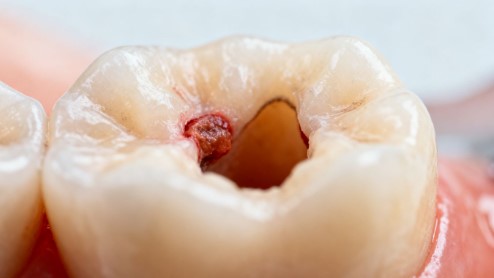
The hours and days after a dental extraction involve significant changes in the mouth, and understanding these patterns helps you manage expectations. While recovery varies by person, it generally follows a predictable path driven by the body's natural defense systems. Watching your progress closely helps you recognize the signs of healthy healing and tell normal tissue changes apart from issues that need attention. At Eastern Shore Oral, Facial & Implant Surgery Center in Fairhope, Dr. Richard Cordero guides patients through every stage of a smooth recovery.
What Should Your Extraction Site Look Like at Each Stage?
Right after a tooth is removed, the area experiences initial inflammation, a standard reaction to surgical trauma. Over the first few days, the site shifts from an open socket to the connective tissue needed for long-term closure. Keeping the area undisturbed is vital as your body moves from an active clot phase to the pinkish gum tissue that gradually fills the space. A few things to expect:
- The site stays sensitive to temperature and pressure for at least 72 hours.
- A yellowish or white layer called fibrin often forms over the socket, which is a normal part of clotting.
- Gradual reduction in swelling means the tissues are recovering as expected.
- Avoid strong rinsing or spitting that could disrupt the delicate structure forming in the socket.
Gentle, clean care makes a real difference during this period. Following your surgeon's post-extraction instructions and monitoring the site daily helps catch early complications before they cause persistent discomfort.
Why the Blood Clot After Tooth Extraction Matters So Much
A secure blood clot provides the foundational protection that keeps the jawbone and nerve endings covered. If the clot is dislodged too early, the underlying structures are exposed to air, food, and fluids, which can cause intense, localized pain and a return visit, known as dry socket. Protecting this biological barrier is the primary goal during early recovery, and our tooth extraction team explains exactly how to do it.
The Tooth Extraction Hole Healing Process Explained
Once the clot stabilizes, it becomes a matrix where healing cells begin transforming the open space into dense, healthy tissue. This doesn't happen overnight; the bone underneath must slowly remodel through several distinct phases. The table below summarizes typical recovery expectations as the socket seals.
| Healing Stage | Expected Status | Focus Area |
|---|---|---|
| 0-24 hours | Active clot | Clot stability |
| 2-3 days | Fibrin layer | Inflammation reduction |
| 1-2 weeks | Tissue closure | Surface healing |
| 1-3 months | Bone remodeling | Structural integration |
Following professional guidance reduces the risk of irritating this sensitive area. In some cases, a socket preservation graft is placed at the time of extraction to protect the bone for a future implant.
Day-by-Day Tooth Extraction Healing Timeline
Recovering from an extraction means monitoring your symptoms to be sure they follow the expected trajectory. Most people feel a steady improvement in comfort after the first two days, with swelling often peaking around the second or third morning. Understanding these stages helps you recognize when you're staying on track with your recovery milestones.
What's Normal vs. What's Not During Recovery
It is completely normal to feel some dull, aching discomfort during the first 48 hours as the anesthetic wears off and inflammation takes over. However, an increasing fever, persistent drainage, or pain that radiates toward the ear instead of fading are signs you should call your provider. Steady, manageable progress is the hallmark of a healthy recovery after oral surgery.
How to Support Healthy Healing After Extraction
Supporting recovery comes down to simple, disciplined steps that prioritize rest and cleanliness. Minimize mouth movement in the first few hours while keeping the soft tissues calm and free from irritation. Choosing gentle activities helps your body direct its energy toward rebuilding the tissue at the surgical site. According to the American Association of Oral and Maxillofacial Surgeons, protecting the clot in the first few days is the single most important factor in a smooth recovery.
When to Contact Your Oral Surgeon About Your Recovery
Even with excellent home care, some situations call for an evaluation. Contact your surgeon if bleeding doesn't stop after applying gauze pressure for an hour, or if you have a reaction to a prescribed medication. When symptoms deviate from the standard recovery path, early communication prevents minor issues from becoming complicated. You can reach us through our contact page.
Conclusion
Recovery is a structured process that relies on patience and careful attention to the surgical site. By protecting that vital blood clot and keeping the area clean, you pave the way for a smooth return to your routine. Trusting the natural healing steps lets your tissues regenerate correctly, leaving your mouth healthy and comfortable for the long term. If anything about your recovery concerns you, reach out to our team promptly.
Frequently Asked Questions
How long should I avoid vigorous exercise?
Refrain from intense activity for at least 48 to 72 hours to prevent spikes in blood pressure that might dislodge the clot.
Can I brush my teeth near the extraction site?
Avoid brushing directly over the socket for the first few days, and gently clean the other areas of your mouth instead.
What foods are safe to eat after the procedure?
Focus on soft, cool items like yogurt, applesauce, mashed potatoes, or smooth soups that require little chewing.
Is it okay to use a straw after the procedure?
Avoid straws for at least the first few days, since the suction can easily pull the protective clot away.
How do I know if I have a dry socket?
Dry socket is typically marked by intense, throbbing pain that appears a few days after the procedure and reflects an exposed bone socket.
About the Author
Eastern Shore Oral, Facial & Implant Surgery Center is an oral and maxillofacial surgery practice in Fairhope, Alabama, led by Dr. Richard Cordero, a diplomate of the American Board of Oral and Maxillofacial Surgery. The practice provides tooth extractions, wisdom teeth removal, dental implants, bone grafting, and anesthesia, with a focus on patient comfort and thorough post-operative care.
Medical Disclaimer
The information provided in this article is for educational purposes only and does not constitute professional medical, dental, or surgical advice, diagnosis, or treatment. If you experience heavy bleeding, high fever, or severe pain after an extraction, contact your provider promptly. Always seek the advice of your dentist, oral surgeon, or other qualified health provider with any questions you may have regarding a medical condition or treatment. Never disregard professional medical advice or delay in seeking it because of something you have read here.
Blog Post Author

Contributed by DentalROI
DentalROI provides relevant dental content to help providers educate patients. The statements, services, and products referenced in this article have not been evaluated by the Food and Drug Administration, and they are not intended as a substitute for professional medical advice, diagnosis, or treatment. Always seek the advice of your dental provider with any questions or issues you may have. Specific recommendations may vary in different circumstances, so individual consultation is important.