
 251-333-1700
Oral Pathology Biopsy: What to Expect
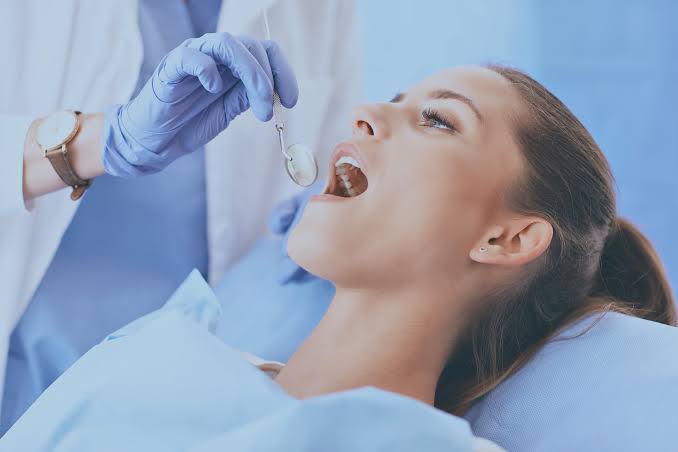
Hearing that you need an oral biopsy can feel unsettling, especially when the area does not hurt. A biopsy is not a diagnosis by itself; it is a way to learn what a changed area of tissue is. Your oral pathology evaluation may be recommended when an examination cannot explain a spot with enough confidence. Understanding the reason for the procedure often makes the next step feel more manageable.
Many different changes can lead to a closer look, including a sore that does not heal, a lump, thickened tissue, or a white or red patch on the cheek, gums, tongue, lips, palate, or floor of the mouth. Persistent irritation from a sharp tooth, denture, or other source can also alter tissue and may need evaluation if it continues.
A concerning appearance does not automatically mean cancer—infection, inflammation, trauma, cysts, and other benign conditions can look unusual too. The duration, location, texture, and pattern of change all help the clinician decide whether observation is reasonable or whether tissue should be examined.
During an oral pathology biopsy, a small tissue sample is sent to a laboratory for examination under a microscope. The report may help identify inflammation, infection, a benign growth, a precancerous change, or a cancerous process, and it can also help distinguish one condition from another when several possibilities look similar.
A biopsy may be suggested when a mouth change persists despite removing a possible source of irritation, when its appearance is unusual from the start, when a lump grows, or when a sore repeatedly returns.
How to Prepare Before the Biopsy
Preparation depends on where the biopsy will take place and whether you will receive local anesthesia alone or another form of sedation. Our before anesthesia instructions cover much of what to expect, but the office should give you specific guidance before the appointment—call rather than guessing, particularly about food, medications, or transportation.
A short conversation beforehand can make the appointment feel less mysterious. Ask what area will be sampled, whether the entire lesion or only part of it will be removed, and what kind of anesthesia is planned. You can also ask how the site will be closed, when you can return to normal eating, and when to expect follow-up. It is useful to leave the visit knowing who will receive the pathology report and how the office will contact you.
Tell the dental team about every medication and supplement you take, including blood thinners, aspirin, diabetes medicines, and products that may affect bleeding. Do not stop a prescribed medication unless the clinician managing it tells you to, and mention allergies, pregnancy, immune-system conditions, bleeding problems, and previous reactions to anesthetics.
For a biopsy done with local anesthesia, you may often eat beforehand, but the office's instructions take priority, since sedation or general anesthesia may require fasting. If medication for relaxation or sedation is planned, arrange for a responsible adult to drive you home and stay available as instructed.
What Happens During an Oral Biopsy
The exact steps vary with the location and size of the area being evaluated. Most people remain awake when only local anesthesia is needed, and the clinician talks through the major steps before starting. The clinician dries the area and gives a local anesthetic to numb it; the injection may briefly sting, followed by numbness in the nearby tissue. Once the anesthetic has taken effect, the biopsy itself should feel more like pressure or pulling than cutting. Let the clinician know if the area still feels sensitive before the sample is taken—more anesthetic can usually be given.
The type of biopsy depends on the lesion's size, position, and appearance. An incisional biopsy removes part of an area, while an excisional biopsy removes the whole small lesion when that is practical, and needle sampling may be used in selected situations to collect cells or fluid. The name of the biopsy does not, by itself, indicate how serious the result will be—it describes how the sample is obtained, while the pathology report addresses what the tissue shows.
After the area is numb, the clinician removes the planned sample with a small surgical instrument or another selected technique. The specimen is placed in a container and labeled for the pathology laboratory, and the site may be closed with dissolvable or removable stitches, depending on its location and the amount of tissue taken. Many straightforward oral biopsies are completed during a brief office visit, although the total appointment includes preparation, numbing, paperwork, and aftercare instructions.
What Recovery Is Like Afterward
Some soreness and mild swelling are common after the numbness fades. The site may feel awkward when you speak, eat, or move your tongue, particularly during the first day. A small amount of oozing or blood-tinged saliva can occur soon after the procedure, and mild swelling and tenderness may be most noticeable during the first day or two before gradually settling. Keeping gentle pressure with gauze, if instructed, can help control minor bleeding, and you should avoid repeatedly checking or touching the site with your fingers or tongue.
Wait until your clinician says it is safe to eat, especially while the area is numb. Choose cool or lukewarm, soft foods at first, and follow any instructions about rinsing or brushing near the site—do not scrub the biopsy area unless directed. Your dental care team may recommend an over-the-counter pain reliever or prescribe medication based on the procedure and your health history; do not add aspirin or alter a blood-thinning medication without professional guidance. For the period your clinician recommends, avoid smoking, vigorous rinsing, and activities that create suction or strain around the wound, and try not to pull at stitches or repeatedly test the area with your tongue.
Understanding Oral Pathology Results
The pathology report is the formal assessment of the tissue sample. It may take several days or longer, depending on the laboratory and whether additional review or testing is needed. The laboratory preserves and prepares the tissue so it can be viewed in thin sections under a microscope, and a pathologist evaluates the cells and the surrounding tissue, looking for patterns that fit particular conditions.
Sometimes the pathologist needs deeper sections, special stains, or consultation to characterize the sample accurately—that extra work does not automatically mean the result is serious.
Your dental office should give you an estimated timeframe and explain how results will be shared, and if the expected date passes without an update, call the office for clarification. A report may describe normal tissue, inflammation, infection, irritation, a benign lesion, a precancerous change, or cancer, so ask the clinician to explain unfamiliar terms and how the finding relates to the area that was sampled. A result may also be described as inconclusive if the sample does not answer the question sufficiently, in which case the next step might be observation, repeat sampling, specialist review, or another form of evaluation.
When to Contact Your Dental Care Team
Most people recover without a major problem, but you should know which changes deserve a call. Contact the office if bleeding does not slow with the pressure instructions you were given, or if it becomes heavy or recurrent. Increasing swelling, pus, fever, worsening redness, or a foul taste may also need prompt evaluation, and trouble breathing or swallowing is an emergency requiring immediate medical attention.
Pain, swelling, or tenderness that steadily worsens instead of improving should be reported, as should new numbness, persistent difficulty opening the mouth, or a return of significant bleeding.
If a stitch loosens, do not pull on it or try to replace it—call the office and explain whether the wound is open, bleeding, or simply has a thread that feels different. Follow-up visits may be used to inspect healing, remove non-dissolving stitches, discuss the pathology report, or plan further care, and our oral surgery FAQ page addresses many of the common questions patients have during this waiting period. If this is your first time visiting our office, our first visit page explains what to expect before you arrive.
Conclusion
An oral biopsy is a practical way to identify what an unusual mouth change represents. Knowing why it was recommended, how to prepare, what recovery may feel like, and when results are expected can make the process less intimidating. Follow your dental care team's instructions, and reach out through our Contact page whenever healing or symptoms do not seem to be following the expected course.
Frequently Asked Questions
Does needing an oral biopsy mean I have cancer?
No. A biopsy is used to identify the cause of a tissue change, and many possible causes are benign. Only the pathology examination can clarify what the sampled tissue shows.
Is an oral biopsy painful?
The area is usually numbed before tissue is collected. You may feel pressure or movement during the procedure, followed by soreness as the numbness wears off.
Can I eat normally after an oral biopsy?
Follow the instructions from your dental care team and wait until numbness has faded if advised. Soft, cool or lukewarm foods are often easier at first, while hard or spicy foods may irritate the site.
How long does an oral biopsy take to heal?
Healing time varies with the biopsy location, size, and the type of closure used. Your clinician can give you a more useful estimate based on the specific sample.
How long do oral pathology results take?
Results may take several days or longer. The timing depends on the laboratory and whether the tissue needs additional examination or review.
What warning signs should prompt me to see a dentist about a mouth change?
According to the American Dental Association, you should call your dentist if a sore, lump, or red or white patch lasts longer than two weeks, or if you notice pain, numbness, or difficulty chewing or swallowing.
Will I need another procedure after the biopsy?
Not necessarily. The next step depends on the pathology result, the amount of tissue removed, and the clinical findings. Some people need only routine monitoring, while others may be advised to have treatment or additional evaluation.
About the Author
Eastern Shore Oral, Facial & Implant Surgery Center is located at 24172 4th St., Fairhope, AL 36532, serving Fairhope, Daphne, Spanish Fort, Foley, Gulf Shores, and the surrounding Eastern Shore communities. The practice is led by Dr. Richard Cordero, DMD, MD, an oral and maxillofacial surgeon who is a member of the American Association of Oral and Maxillofacial Surgeons and the American Board of Oral and Maxillofacial Surgery.
Disclaimer
The information provided in this article is for educational purposes only and does not constitute professional medical or dental advice, diagnosis, or treatment recommendations. Whether an oral biopsy is needed for a specific mouth change can only be determined through an in-person evaluation. Always consult your dentist or oral surgeon with any questions regarding your symptoms or treatment.
Blog Post Author

Contributed by DentalROI
DentalROI provides relevant dental content to help providers educate patients. The statements, services, and products referenced in this article have not been evaluated by the Food and Drug Administration, and they are not intended as a substitute for professional medical advice, diagnosis, or treatment. Always seek the advice of your dental provider with any questions or issues you may have. Specific recommendations may vary in different circumstances, so individual consultation is important.