
 251-333-1700
How Long Does A Bone Graft Take To Heal?
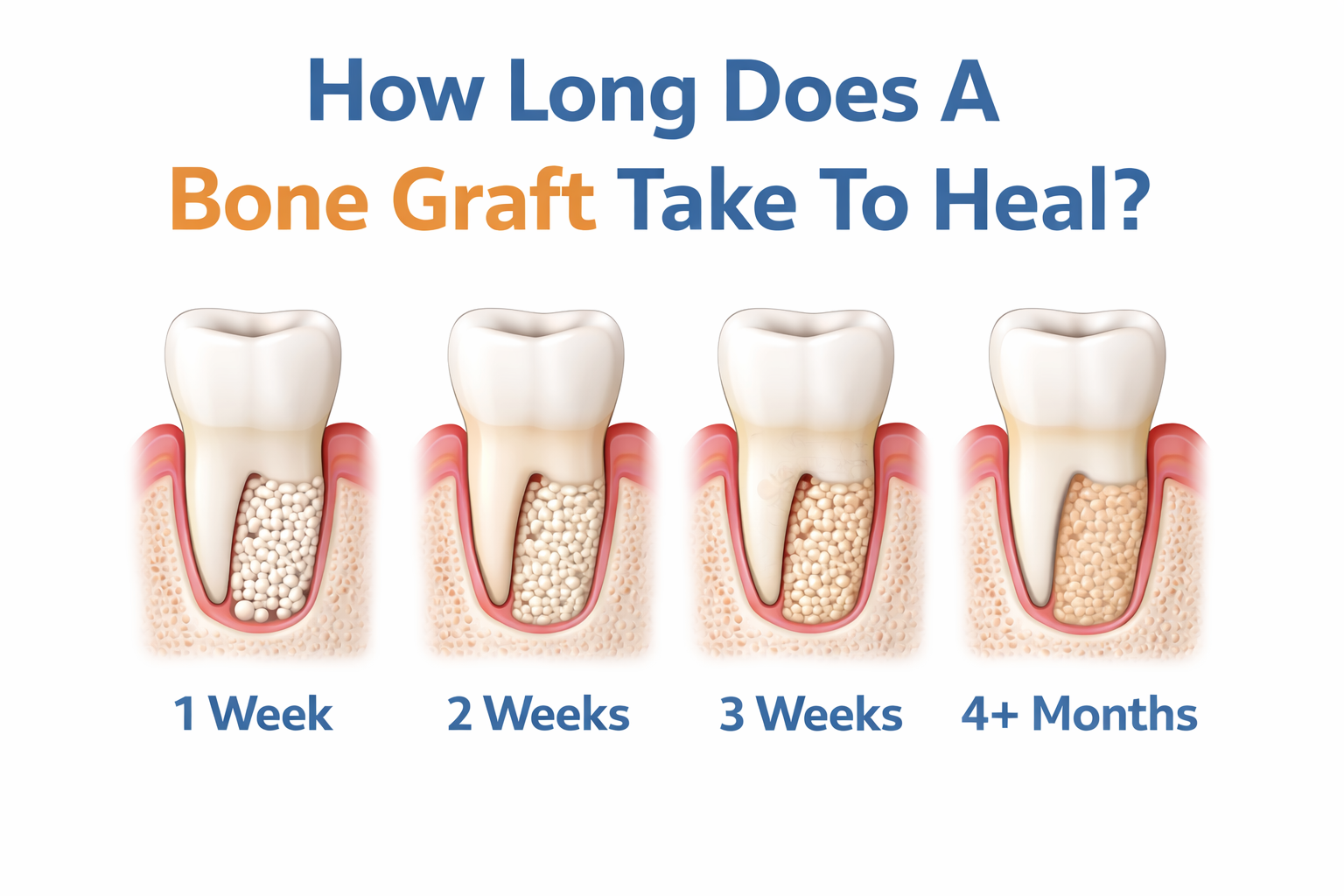
Getting a bone graft can feel a bit daunting, especially when you start wondering about the recovery. It's a common procedure, often done to help prepare for things like dental implants or to fix bone loss. But how long does it actually take for that new bone to settle in and get strong? The timeline isn't always straightforward, and a lot can play into how long the healing process takes. Let's break down what you can expect.
Key Takeaways
- The healing time for a bone graft varies, but it generally takes several months for the bone to fully integrate.
- Initial healing involves managing pain and swelling, usually for the first week or two, with a soft diet recommended.
- Factors like the type and amount of bone grafted, as well as your overall health, significantly influence how long it takes a bone graft to heal.
- For dental procedures, how long does a dental bone graft take to heal? It often takes 3-6 months, but complex cases like sinus lifts can take 6-12 months.
- Supporting healing involves following post-op instructions, maintaining good oral hygiene, and avoiding smoking or strenuous activity.
What Is a Bone Graft and Why Is It Important?
A bone graft is a surgical procedure used to add bone or bone-like material to an area where there's been bone loss or damage. Think of it like adding building blocks to reinforce a weakened structure. In dentistry, this is most often done to the jawbone.
Why would someone need this? Well, several things can lead to bone loss in the jaw. Sometimes it's from losing a tooth, especially if it's been gone for a while. Other times, gum disease can eat away at the bone that holds your teeth in place. Even an injury to the face or jaw can cause bone to break or be lost. In some cases, people are born with less jawbone than is typical.
The main reason a bone graft is performed in dentistry is to prepare the jaw for dental implants. Dental implants are artificial tooth roots that are surgically placed into the jawbone. For an implant to be successful, it needs a solid foundation of healthy bone to fuse with. If there isn't enough bone, or if the bone isn't strong enough, the implant might not integrate properly, and the whole treatment could fail. It's like trying to build a house on shaky ground – it just won't hold up.
But bone grafts aren't just for implants. They can also be used to:
- Help preserve the bone socket after a tooth is removed, making it easier to place an implant later.
- Rebuild the jawbone to improve how dentures fit and function.
- Correct defects in the jaw for better appearance and function.
There are different ways this is done, using bone from your own body, from a donor, or even synthetic materials. The goal is always the same: to restore the bone so that your mouth can function properly and look its best.
Typical Bone Graft Healing Timeline
Healing after a bone graft is not something that happens overnight—it's a steady, step-by-step process that can take several months from start to finish. Most bone grafts require between 3 to 9 months to fully heal and integrate with your natural bone. This timeframe depends on the type of graft, the location, and your personal health.
Here's how the general healing process unfolds for most grafts, whether you're wondering how long does it take a bone graft to heal, how long does a dental bone graft take to heal, or specifically how long does a tooth bone graft, jaw bone graft, or gum bone graft take to heal:
Healing Stage
Estimated Time Frame
What Happens
Inflammation
First 3–7 days
Swelling, discomfort, and initial healing at the surgical site occur.
Soft Tissue Healing
1–2 weeks
Gum tissue heals and new blood vessels start forming.
Early Bone Formation
2–6 weeks
Graft begins integrating with jawbone; pain and swelling decrease.
Bone Maturation/Remodeling
2–6 months
New bone grows, graft strengthens and stabilizes.
Final Integration
6–9 months (sometimes more)
Bone blends with natural bone, site becomes strong enough for implants.
For a more practical breakdown, here’s what patients often experience during bone graft recovery:
- First week: Expect swelling, bruising, and mild bleeding. Soft foods and rest are advised.
- First 1-2 months: The discomfort fades, but hard or chewy foods should still be avoided. Bone regeneration is actively happening beneath the gum.
- 3-6 months: Bone gets denser and fuses into place; most daily activities resume. Your dentist may check progress with X-rays.
- 6-9 months (or longer): The grafted area is solid enough to handle dental implants or other restoration steps.
Healing timelines can vary a lot person to person. Some heal faster while others need more time, so patience is important while waiting for the bone to fully rebuild.
When asking how long does it take a bone graft to heal, keep in mind the answer can change based on the size and location of the graft, your body's response, and how closely you follow recovery advice. Always check in with your provider if something feels unusual during the healing window.
Factors That Influence Healing Time
So, you've had a bone graft, and you're wondering how long it'll take to get back to normal. Well, it's not a one-size-fits-all answer, unfortunately. A bunch of things can actually speed up or slow down how quickly your body heals.
Your overall health plays a big part. If you're generally healthy, your body is usually better at repairing itself. Things like age can matter too; younger folks often heal a bit quicker than older individuals. Plus, if you have any ongoing health issues, like diabetes or a condition that weakens your immune system, it might take a little longer for everything to settle down.
Then there's your lifestyle. Smoking is a major one that can really mess with healing. It cuts down on blood flow to the area, which means less oxygen and nutrients getting to where they need to be. This can definitely delay things and even increase the chances of problems. Same goes for drinking too much alcohol or not eating right – your body needs good fuel to rebuild.
Here are some other things that can affect how long it takes:
- Type of Graft: Different kinds of grafts have different healing times. A simple socket preservation graft after a tooth extraction might heal faster than a more complex sinus augmentation, for example.
- Amount of Bone Needed: If a lot of bone needs to be added or rebuilt, it's a bigger job for your body, and that naturally takes more time.
- Where the Graft Is: Some areas of the mouth might have better blood supply or be more prone to movement, which can influence healing.
- Following Instructions: This is a big one! How well you take care of the site after surgery, stick to your diet, and attend follow-up appointments really makes a difference.
It's important to remember that everyone's body is different. What might take one person a few months could take another a bit longer. The best thing you can do is talk to your doctor about your specific situation and follow their advice closely.
Basically, think of it like this: your body is doing some serious construction work. The more complex the project, the more time and the better the conditions it needs to finish the job right.
What to Expect During Recovery
Recovering from a bone graft procedure involves several stages, and understanding what's happening can make the process smoother. Initially, you'll likely experience some discomfort and swelling, which is normal. Your surgeon will provide pain management strategies, often including prescribed medication and advice on using ice packs to help reduce swelling in the first couple of days.
Dietary adjustments are a big part of early recovery. For the first few days, you'll need to stick to a soft diet. Think along the lines of smoothies, yogurt, mashed potatoes, and soups. It's really important to avoid anything hard, crunchy, or chewy, as these can disrupt the surgical site or cause bleeding. You'll also need to avoid using straws, as the sucking motion can dislodge the graft. As healing progresses, you'll gradually be able to reintroduce more solid foods, but your surgeon will guide you on when it's safe to return to your regular diet.
Maintaining good oral hygiene is also key, though it requires a gentle approach. You'll be instructed on how to clean your teeth carefully around the surgical area, often with a soft-bristled brush. Sometimes, a special mouthwash might be recommended to help keep the area clean and reduce bacteria. Following your surgeon's specific instructions for cleaning is vital for preventing infection and promoting healing.
Rest is also important. While light activity is usually fine, you'll likely be advised to avoid strenuous exercise or activities that could put pressure on the surgical site for a period. This allows your body to focus its energy on healing.
Throughout your recovery, you'll have follow-up appointments. These are not just check-ups; they're opportunities for your surgeon to monitor your progress, ensure the graft is integrating properly, and address any concerns you might have. It's during these visits that they'll determine when you can safely move to the next stage of eating and activity.
Be aware of potential signs that healing might not be going as planned. While some pain and swelling are expected, you should contact your surgeon if you experience worsening pain, excessive swelling that doesn't improve, fever, persistent bleeding, or any signs of infection like pus or a foul odor.
Tips for Supporting a Smooth Healing Process
Taking good care of yourself after a bone graft procedure is super important for making sure everything heals up right. It's not just about letting your body do its thing; there are definitely ways you can help it along.
First off, sticking to your dentist's instructions is key. They know what they're talking about, and following their advice can make a big difference. This includes things like how to keep the surgical area clean without irritating it. Gentle brushing and careful flossing are usually recommended, and sometimes a special mouthwash might be suggested to keep bacteria in check. It might seem like a hassle, but good oral hygiene really helps prevent problems.
When it comes to eating, you'll need to be a bit careful at first. Think soft foods – things like yogurt, mashed potatoes, or smoothies are your friends. Avoid anything too hard, crunchy, or spicy that could bother the graft site. As you start feeling better and your dentist gives the okay, you can slowly bring back more normal foods. It’s all about letting the new bone tissue form without any disruption.
Here’s a quick rundown of what to keep in mind:
- Follow post-op instructions: This covers everything from cleaning to diet.
- Manage pain and swelling: Use ice packs as directed and take any prescribed pain medication.
- Eat soft foods: Avoid hard or chewy items that could stress the graft.
- Maintain oral hygiene: Keep the area clean, but be gentle.
- Rest: Give your body the time it needs to heal.
It’s also a good idea to avoid things that can slow down healing. Smoking, for instance, really messes with blood flow, which is what your graft needs to get better. So, if you smoke, now's a really good time to try and cut back or quit altogether. Same goes for excessive alcohol. Your body needs good nutrition and oxygen to rebuild.
Getting enough rest is also a big part of recovery. Your body does most of its healing work when you're relaxed and sleeping. Try to take it easy, especially in the first few days after surgery. Avoid any heavy lifting or strenuous activities that could put extra stress on your body or the surgical site. Listen to your body; if something feels like too much, it probably is.
Finally, don't forget about your follow-up appointments. These check-ins are your dentist's chance to see how things are progressing and to catch any potential issues early on. They'll let you know when you can gradually return to your normal activities and diet. Remember, patience is a virtue here; the healing process takes time, but by following these tips, you're giving yourself the best chance for a successful outcome and can support the bone graft healing process.
Wrapping Up Your Bone Graft Healing Journey
So, how long does a bone graft take to heal? Well, it's not a one-size-fits-all answer. Generally, you're looking at several months, often between six and nine, for the graft to fully settle in and become part of your jawbone. Some initial healing happens much sooner, within a few weeks, where things start to feel a bit better. But that complete integration, the kind that means your dentist can move forward with things like implants, takes time. Factors like the type of graft, how much bone was needed, and your own health play a big role. It’s really important to follow your dentist’s instructions closely during this period – think soft foods, good hygiene, and avoiding anything that could disrupt the site. Patience is key here; your body is doing some pretty amazing work rebuilding bone, and it just needs its time to do it right. Visit Eastern Shore Oral Surgery today to learn how our personalized post-operative care plans help ensure a successful, healthy recovery for every patient.
Frequently Asked Questions
What exactly is a bone graft?
A bone graft is a procedure where a dentist adds bone material to your jaw. This is often done to fix bone loss, usually because a tooth has been missing for a while or due to gum disease. The main goal is to create a strong base, especially if you're planning to get dental implants later on.
How long does it typically take for a bone graft to heal?
The healing time for a bone graft can vary, but it usually takes about 6 to 9 months to fully heal. Some smaller grafts might heal a bit faster, while larger or more complex ones could take even longer. It's a gradual process where your body builds new bone.
What are the different types of bone grafts?
There are a few main types. A socket preservation graft is done right after a tooth is pulled to keep the space ready. A sinus lift is for the upper jaw when there isn't enough bone near the sinus. Ridge augmentation is used to build up the jawbone's height or width. The type used depends on where the bone loss is and how much bone is needed.
What factors can affect how long a bone graft takes to heal?
Several things can influence healing. The size and location of the graft play a big role; bigger grafts take longer. Your overall health, like whether you have conditions such as diabetes, can also affect how quickly your body heals. Even lifestyle choices like smoking can slow down the process.
What should I expect right after surgery?
In the first few days after surgery, you'll likely experience some pain, swelling, and maybe bruising. Your dentist will give you pain medication to help manage discomfort. You'll also need to stick to a soft diet and be very careful not to disturb the surgical site.
Can I do anything to help my bone graft heal faster?
While you can't magically speed up bone growth, you can definitely help your body heal optimally. It's crucial to follow all your dentist's instructions carefully. This includes taking prescribed medications, keeping the area clean, eating soft foods, avoiding smoking and alcohol, and attending all your follow-up appointments.
Blog Post Author

Contributed by DentalROI
DentalROI provides relevant dental content to help providers educate patients. The statements, services, and products referenced in this article have not been evaluated by the Food and Drug Administration, and they are not intended as a substitute for professional medical advice, diagnosis, or treatment. Always seek the advice of your dental provider with any questions or issues you may have. Specific recommendations may vary in different circumstances, so individual consultation is important.