
 251-333-1700
Periodontist vs. Oral Surgeon for Dental Implants
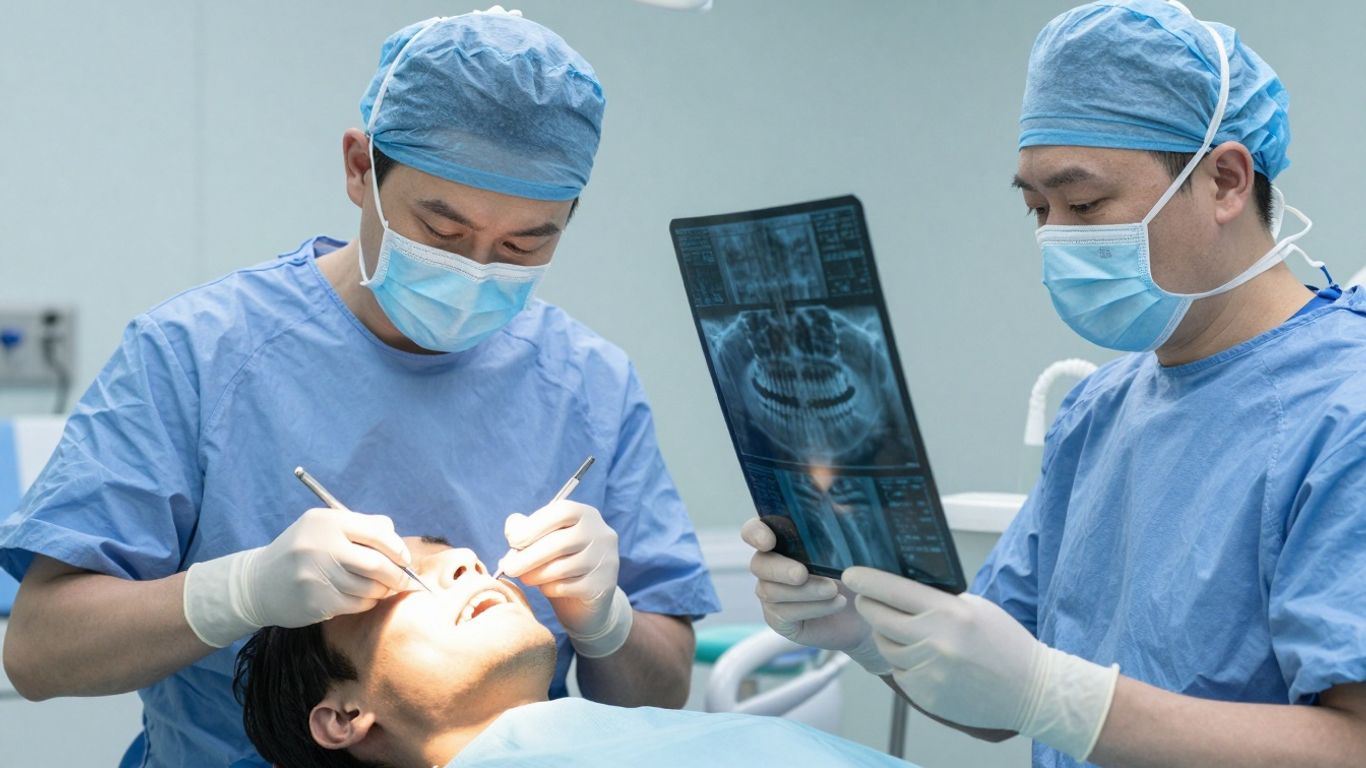
When you need to replace missing teeth with dental implants, you might wonder who is best qualified to do dental implants. It often comes down to choosing between an oral surgeon or a periodontist. Both are dental specialists with advanced training, but their areas of focus differ. Understanding these differences can help you pick the right person for your implant procedure. Let's break down what each specialist does and when you might see one over the other.
Key Takeaways
- Both oral surgeons and periodontists are dental specialists trained to place implants, but their training and focus differ.
- Oral surgeons have extensive surgical training in the mouth, jaw, and face, making them well-suited for complex cases, bone grafting, and procedures requiring advanced anesthesia.
- Periodontists specialize in gum health and the supporting structures of teeth, making them experts in managing gum disease and ensuring a healthy foundation for implants.
- The decision between an oral surgeon and a periodontist often depends on the complexity of your case, particularly the condition of your jawbone and gums.
- While both can perform implant surgery, oral surgeons generally handle more complex surgical needs, while periodontists focus heavily on the health of the surrounding gum and bone tissue.
Choosing the Right Specialist for Dental Implants
Deciding who should place your dental implants is a big step, and it's totally normal to wonder about the differences between specialists. You might be asking yourself, "who is best qualified to do dental implants?" or even "who is better for dental implants, an oral surgeon or periodontist?" Both oral surgeons and periodontists are highly trained professionals who can perform implant procedures, but their specific areas of focus can influence the best choice for your situation. Understanding their backgrounds helps make this decision clearer.
The key is finding a specialist whose training and experience align with your specific needs. While both professions involve surgery and a deep knowledge of the mouth, their primary training differs. Oral surgeons typically have a broader surgical background, focusing on the jaw, face, and mouth structures, which means they are well-equipped for complex cases. Periodontists, on the other hand, specialize in the health of the gums and the bone that supports your teeth, making them experts in creating a stable foundation for implants.
Here's a quick look at what each specialist brings:
- Oral Surgeons: Trained extensively in surgical procedures of the mouth and jaw. They handle everything from simple extractions to complex bone grafting and sinus lifts. Many patients needing implants alongside tooth extractions or those with significant bone loss often see an oral surgeon first. They are skilled in performing the surgical placement of implants, and yes, do oral surgeons do implants? Absolutely, it's a core part of their practice.
- Periodontists: Focus specifically on gum health and the supporting bone structures. If you have existing gum disease or need bone regeneration to prepare for an implant, a periodontist's specialized knowledge in these areas is incredibly beneficial. They ensure the foundation is healthy and stable for long-term implant success.
The goal is always a stable, functional, and aesthetically pleasing result. Sometimes, the best approach involves collaboration between specialists to cover all aspects of your treatment, from the initial surgery to the final restoration.
Ultimately, the complexity of your case and your overall oral health will guide you toward the right specialist. Consulting with a dental professional is the best way to get personalized advice and a treatment plan tailored just for you. You can learn more about the specialized care periodontists provide for implant success.
Understanding the Role of a Periodontist
When thinking about dental implants, you might wonder if a periodontist is the right specialist. The short answer is yes, periodontists do implants, and they play a significant role in the process. Their main focus is on the health of your gums and the bone that holds your teeth in place. Think of them as the guardians of your smile's foundation.
Periodontists have specialized training in treating gum disease, which is super important because healthy gums are key for successful implants. If you've lost teeth due to gum issues, a periodontist is often the go-to professional to get your mouth back in shape before an implant can even be considered. They're skilled in procedures like scaling and root planing to clean deep pockets and can perform gum grafts if needed to build up tissue.
Here's a bit more about what they do:
- Treating gum disease, from early stages to more advanced problems.
- Performing gum surgery and tissue grafting.
- Placing dental implants, especially when gum health is a primary concern.
- Helping maintain the health of your gums and bone around implants long-term.
While there's a difference between a periodontist and an oral surgeon, both are qualified to place implants. However, a periodontist's deep knowledge of gum and bone health makes them particularly well-suited for cases where these tissues need attention before or during implant placement. They often work closely with other dental professionals to make sure your implant journey is a success.
A periodontist's training centers heavily on the supporting structures of the teeth, including the gums and bone. This makes them experts in managing conditions that could affect an implant's stability, like gum recession or bone loss. Their goal is to create the best possible environment for your implant to thrive.
So, if your dental health involves significant gum issues or you need specialized care for the tissues supporting your teeth, a periodontist is definitely a specialist to consider for your dental implant needs. They bring a unique perspective focused on long-term gum and bone health, which is vital for any implant.
Understanding the Role of an Oral Surgeon
When it comes to dental implants, oral surgeons are highly trained specialists who focus on surgical procedures of the mouth, jaws, and face. Their extensive education goes beyond general dentistry, typically involving an additional four to six years of rigorous training in a hospital setting. This specialized background equips them to handle a wide range of complex surgical issues, including those related to dental implant placement.
Oral surgeons are particularly skilled in managing the bone structure of the jaw, which is critical for successful implant integration. They can perform procedures like bone grafting and sinus lifts if a patient doesn't have enough healthy bone to support an implant. This ability to address underlying bone issues before or during implant surgery is a significant advantage.
Their comprehensive training means they are adept at managing anesthesia, ensuring patient comfort and safety throughout the procedure. This includes various levels of sedation, from local anesthesia to general anesthesia, tailored to the patient's needs and the complexity of the surgery. They are also well-prepared to handle any unexpected complications that might arise during or after the surgery, thanks to their broad surgical experience.
Oral surgeons often manage the entire implant process from start to finish. This includes:
- Initial patient evaluation and diagnosis
- Developing a personalized treatment plan
- Performing the surgical implant placement
- Managing post-operative care and recovery
This holistic approach ensures that all aspects of the surgical treatment are overseen by a single, highly qualified professional, aiming for the best possible functional and aesthetic outcome for the patient's new smile.
Key Differences Patients Should Understand
When you're looking into getting dental implants, you'll notice that both periodontists and oral surgeons are often mentioned. While both are dental specialists with advanced training, their focus areas do differ, which can influence who might be the best fit for your specific situation.
Oral surgeons typically complete a more extensive surgical residency, often in a hospital setting. This training covers a broad range of surgical procedures related to the mouth, jaw, and face. Think wisdom teeth removal, corrective jaw surgery, and, of course, dental implants. Their background often includes significant experience with anesthesia, allowing them to manage various levels of sedation for patient comfort during complex procedures.
Periodontists, on the other hand, specialize in the health of your gums and the supporting structures of your teeth. Their training focuses heavily on preventing, diagnosing, and treating gum disease. While they are also highly skilled in placing dental implants, their approach often emphasizes the preservation and health of the surrounding gum tissue. They are experts in procedures like gum grafting and pocket reduction surgery.
Here’s a quick breakdown of some distinctions:
- Training Focus: Oral surgeons have a broader surgical scope, while periodontists concentrate on gum health and related structures.
- Anesthesia: Oral surgeons generally have more extensive training and experience with all types of anesthesia, including general anesthesia.
- Case Complexity: Oral surgeons are often sought for more complex implant cases, especially those requiring significant bone grafting or other reconstructive procedures.
It's not uncommon for these specialists to work together. Sometimes, a periodontist might focus on ensuring the gum health and bone structure are optimal, while an oral surgeon performs the implant placement itself. This collaborative approach can be beneficial for patients with more involved needs.
Ultimately, the choice often comes down to the specifics of your case. If you have significant bone loss or require extensive reconstructive work before implant placement, an oral surgeon might be the preferred choice due to their broad surgical background. If your primary concern is gum health alongside implant placement, a periodontist's specialized focus could be ideal.
How Case Complexity Influences the Right Choice
When you're thinking about dental implants, the complexity of your specific situation really matters in deciding who should do the work. It's not a one-size-fits-all deal, you know?
For straightforward cases where you just need an implant placed in healthy bone, a periodontist might be perfectly capable. They're great with gum health and ensuring the foundation is solid. But what happens when things get a bit trickier?
Cases involving significant bone loss, the need for extensive grafting, or simultaneous extractions and implant placement often point towards an oral surgeon. These specialists have a deeper background in complex surgical procedures, including facial anatomy and jaw reconstruction. They're trained to handle situations that require more than just standard implant placement.
Think about it like this:
- Bone Grafting: If you don't have enough bone to support an implant, a bone graft is needed. Oral surgeons have extensive experience with various grafting techniques to rebuild the jawbone.
- Sinus Lifts: For implants in the upper jaw, sometimes the sinus cavity is too close. A sinus lift procedure, which oral surgeons are well-versed in, can create the necessary space.
- Multiple Extractions: If you need several teeth removed and implants placed at the same time, an oral surgeon's ability to manage complex surgical sites and anesthesia is a big plus.
- Anatomical Challenges: Issues with nerves, sinuses, or unusual jaw structures are areas where an oral surgeon's specialized training really shines.
The more involved the surgery, the more likely it is that an oral surgeon's advanced training and experience will be beneficial for a successful outcome. They are equipped to manage a wider range of complications and surgical scenarios.
Ultimately, your dentist will help assess your situation, but understanding these differences can help you have a more informed conversation about who is best suited for your dental implant journey.
Making Your Choice for Dental Implants
When it comes to getting dental implants, both oral surgeons and periodontists have valuable skills. Oral surgeons often handle more complex surgical needs, including significant bone work, and have broad training in anesthesia. Periodontists focus deeply on gum and bone health, which is super important for implants to last. For many people, the best outcome comes from a team approach. Think about your specific situation – do you have major bone loss, or is gum health your main concern? Talking with your dentist about these specialists and what they offer will help you decide who is the right fit for your journey to a restored smile.
Frequently Asked Questions
What's the main difference between a periodontist and an oral surgeon?
Think of it this way: a periodontist is like a specialist for your gums and the bone that holds your teeth. They're experts at fixing gum problems and making sure the foundation for your teeth is strong. An oral surgeon, on the other hand, is trained for a wider range of surgeries in the mouth, jaw, and face. They handle more complex operations, including dental implants, but also things like wisdom tooth removal or jaw realignments.
Who usually does dental implant surgery?
Both periodontists and oral surgeons can place dental implants. However, oral surgeons often handle more complicated cases because they have extra training in surgery and anesthesia. They are well-equipped for situations that might involve significant bone loss or require other surgical procedures before or during the implant placement.
Do I need an oral surgeon if I have bone loss?
If you have lost a good amount of bone where your tooth used to be, an oral surgeon might be the best choice. They are skilled in procedures like bone grafting and sinus lifts, which are often needed to create enough solid bone to support a dental implant. This preparation is key for a successful implant.
When would a periodontist be a better choice for implants?
A periodontist is an excellent choice if your main concern is the health of your gums and the supporting bone, especially if you have gum disease. They focus on making sure your gums are healthy and can provide grafting if needed to strengthen the area around the implant. They ensure the gum tissue is in great shape for the implant.
Can a periodontist and an oral surgeon work together on my implants?
Absolutely! It's quite common for these specialists to team up. One might handle the bone preparation, while the other focuses on the gum health or the final placement of the implant. This teamwork ensures all aspects of your oral health are considered for the best possible outcome.
How do I decide which specialist is right for me?
The best way to decide is to talk to your dentist. They can assess your specific oral health situation, including the condition of your gums and jawbone. Your dentist can then recommend whether an oral surgeon or a periodontist, or perhaps a collaboration between the two, would be most suitable for your dental implant procedure.
Blog Post Author

Contributed by DentalROI
DentalROI provides relevant dental content to help providers educate patients. The statements, services, and products referenced in this article have not been evaluated by the Food and Drug Administration, and they are not intended as a substitute for professional medical advice, diagnosis, or treatment. Always seek the advice of your dental provider with any questions or issues you may have. Specific recommendations may vary in different circumstances, so individual consultation is important.